





There’s a certain nervousness with booking a treatment you’ve mostly seen on social media. You’ve watched the videos and heard friends rave about the glow, but you still don’t know what the appointment will actually feel like.
The good news is that there’s very little to be nervous about. A Hydrafacial® works in three steps, each adjusted to your skin. There’s no downtime, so most people head straight back to work or out to lunch, often with a fresh glow to show for it.
What a Hydrafacial Actually Does
Strip away the buzz, and a Hydrafacial is a non-invasive, hydrating facial that deeply cleanses your pores in a single appointment. Much of the appeal of a Hydrafacial treatment comes down to its tailored approach, with serums customised to your skin’s specific needs.
In practice, that means your therapist can adjust the treatment for concerns anywhere from fine lines to congestion. It also means two people booking the same treatment on the same day can have quite different appointments.
Where the Glow Comes From
Ask anyone who’s had one, and they’ll usually mention the finish first. Skin tends to look fresher and smoother afterwards, and those Hydrafacial benefits come from a few things happening in the one sitting.
- Clearer pores. Clearing out congestion and impurities leaves your complexion looking fresh and clean.
- Smoother texture. Exfoliation smooths the surface for a more even tone and a refined appearance.
- A boost of hydration. The serums are designed to boost moisture levels, which is why skin often looks revitalised and glowing straight after.
Many clients notice a difference after just one treatment. Regular sessions can help maintain those results, so it’s worth considering this before booking your second visit.
A Little Prep Goes a Long Way
Preparing for a Hydrafacial is refreshingly simple. Avoid using products with active ingredients for 24 hours before your appointment, and limit excessive sun exposure in the days leading up to your treatment.
The treatment already includes an exfoliation step, so it makes sense to give your skin a break from anything that does the same. If you’re not sure whether a serum counts as an active, jot down the name and ask your therapist on the day.
If you’ve got a cold sore or any broken skin, wait until it has fully healed before your visit. Feel a cold sore starting? Hold off until it passes, then rebook for a time when your skin has settled.
Hydrafacial isn’t suitable if you have an aspirin or shellfish allergy, or if you’re pregnant or breastfeeding. If either applies to you, a consultation is the place to talk through what might suit your skin instead.
Inside the Treatment Room
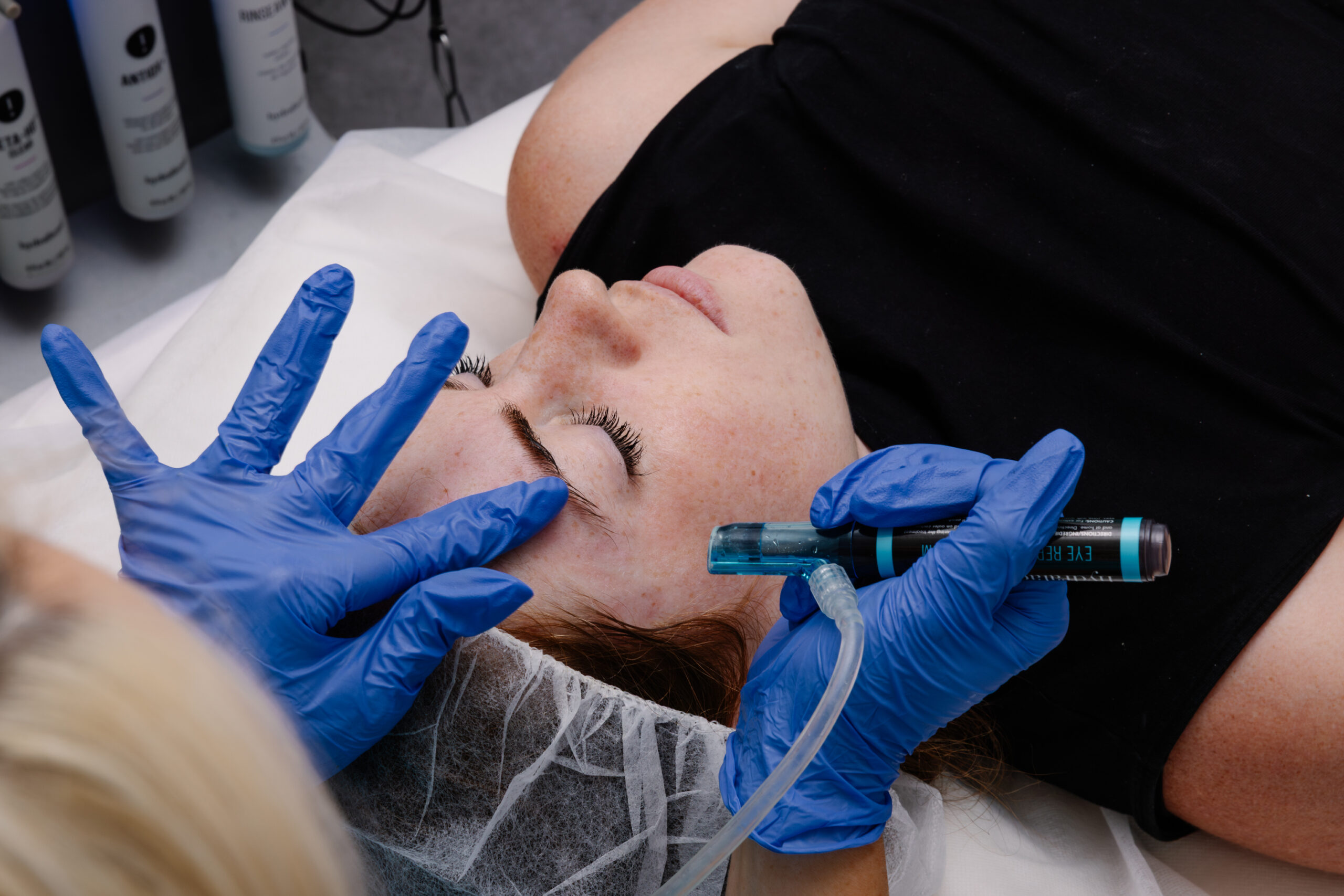
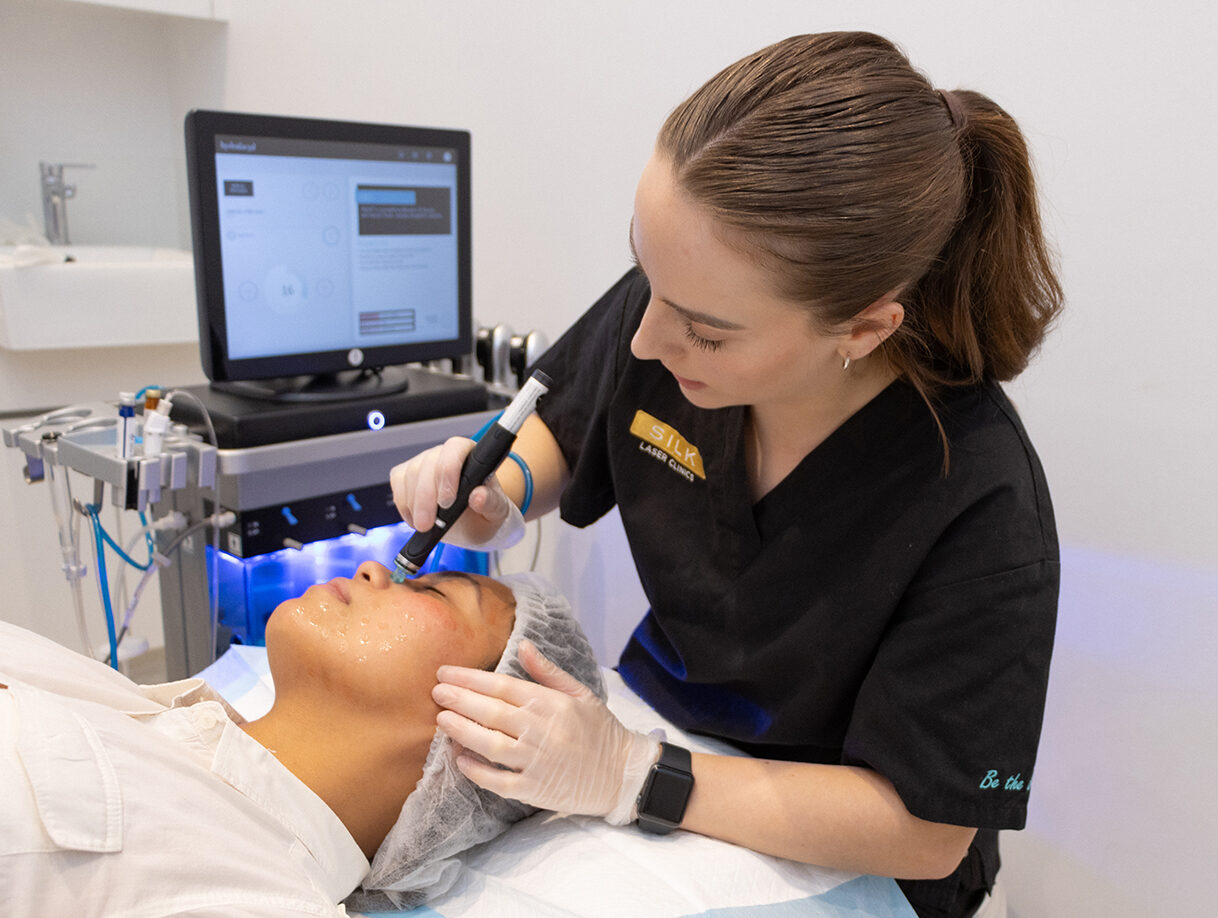
Despite the hype, the appointment itself is fairly calm. The three steps are tailored to your skin’s needs on the day. Your therapist will be with you throughout the treatment, from the initial consultation to the final step, so feel free to ask any questions.
Cleanse and Exfoliate
A gentle cleanse clears away impurities first, so the rest of the treatment starts on a clean base. Then an exfoliation step smooths the surface and preps your skin for deep hydration.
Clear the Pores
This is the step most people are curious about, and it’s where the patented vortex tip comes in. It works like a small vacuum, deeply cleansing your pores and removing impurities while helping the serums reach your freshly cleared skin.
Infuse and Hydrate
Medical-grade serums are applied as your pores are cleared. They help boost moisture levels, making it important to keep your skin hydrated at home as you return to your usual routine.
Some clinics also offer boosters with Deluxe and Platinum treatments. These can target specific concerns, such as pigmentation or uneven texture. Ask your therapist during your consultation if a booster would suit your skin.
Before and After Your Hydrafacial
You can expect your skin to look refreshed straight after the treatment, with no downtime afterwards. Mild redness or sensitivity can occur, but this usually settles within a few hours.
Hydrafacial aftercare is just as easy. It mostly comes down to being gentle with your skin for a few days while it settles. A handful of simple habits take care of the rest, and they’re easy to fit into your week.
- Skip actives for 24 hours. Leave out products with active ingredients for the first day, then ease back into your usual routine.
- Stay out of direct sun. Stay in the shade when you can, even on overcast days.
- Apply SPF daily. Start the next morning and keep it up every morning after.
- Pause exfoliating for seven days. That includes scrubs and exfoliating products, so your skin has time to settle.
Once You’re Home
Your therapist will give you personalised aftercare instructions on the day and can recommend home-care products to suit your skin. If anything feels off once you’re home, reach out to them.
Everyday habits matter between visits, too. Air-conditioning in summer and heating in winter can both pull moisture from your skin, so a gentle routine and daily sunscreen are worth sticking with.
One Session or a Series?
One session is a good way to find out whether you enjoy the treatment. The usual recommendation after that is three to six treatments over six to twelve weeks, then monthly maintenance. That’s because the benefits are cumulative, with texture and hydration improving as the sessions build.
Some people like a set plan, and a structured skin program suits that approach, grouping treatments around concerns such as congestion or dry skin. Others would rather book as they go. Either way, your therapist tailors the plan at your consultation and reviews it over time.
Why the Therapist Matters as Much as the Treatment
It’s easy to focus on the device and forget about the person using it. A good therapist asks about your skin and your routine before the treatment starts. They’ll also be upfront if a Hydrafacial isn’t the right fit for you.
Sometimes your goals point somewhere else, and hearing that at a personalised consultation is a good sign, since the advice is centred on your skin. SILK offers skin, laser and body treatments under one roof, so there’s plenty of choice if a Hydrafacial isn’t the right match.
With more than 60 SILK clinics across Australia, you can expect the same standards of care from experienced therapists at each location. Before booking, check which SILK clinics offer Hydrafacial treatments.
Start With a Conversation
If you’re still weighing it up, a conversation is the easiest first step. Booking a free skin consultation gives you time to talk through your skin and ask anything before your first treatment. You’ll also get a closer look at what your skin actually needs.
From there, your therapist can tailor a plan if a Hydrafacial is the right fit. If something else would suit your skin better, you’ll hear that too, without being committed to anything on the spot.
FAQs
Is there any downtime after a Hydrafacial?
No downtime is needed, which makes it easy to book around work. You can return to your daily activities straight away, and your skin may even look refreshed right after the treatment.
Are there any side effects after a Hydrafacial?
Most clients experience no side effects. You may notice mild redness or sensitivity immediately after treatment, and this typically settles within a few hours. Let your clinic know if anything concerns you.
Can I wear makeup after a Hydrafacial?
It’s best to wait a few hours. That gives your skin time to fully absorb the hydrating serums before anything goes on top. If you’ve got plans that evening, it’s worth booking your appointment with that in mind.
Who isn’t Hydrafacial suitable for?
Hydrafacial isn’t suitable during pregnancy or breastfeeding, or if you have an aspirin or shellfish allergy. A consultation is the best place to talk through other options that may suit your skin instead.
How soon will I notice a difference?
Many clients notice improvements in skin tone and texture after just one treatment, along with a boost in hydration. Individual results vary, so your therapist can talk you through what to expect for your skin.