



Spring tends to arrive on your skin before it shows up in the forecast. After months of heaters and cold air, winter skin often feels dry and a little dull, just as the days get longer and brighter.
The good news is that spring skincare doesn’t need a complete overhaul. Lighter products and sun protection that starts a little sooner than you’d expect will set your skin up well for the warmer months ahead.
What Winter Leaves Behind
Cold air holds less moisture than warm air, and indoor heating dries the air further. Longer, hotter showers strip the oils that help skin hold onto moisture, too. By the end of the season, it’s no surprise winter skin can feel tight and flaky.
As spring warms up, the air gets more humid and your skin starts to respond differently. Some people find areas that felt dry all winter now feel oilier or more congested, particularly through the T-zone. Others just notice their usual products feel heavier than they did a month ago.
These shifts are a normal part of your skin adjusting to the change in season. They also make spring the ideal moment to rethink your spring skin care routine before summer arrives.
Why Spring Catches Skin Off Guard
UV levels climb through spring, often before the weather feels warm enough to think about sunscreen. Following Cancer Council’s sun safety advice, it’s worth protecting your skin whenever the UV index reaches 3 or above, whatever the season. UVA rays can also reach you through glass, so office and car days count too.
It helps to remember that UV isn’t the same as heat. A mild, breezy spring day can still carry high UV, which is why sunburn often catches people out before summer has even started.
That’s why spring is the right time to build UV protection into your routine, well before the warmest months. Getting the habit in place now means you’re not starting from scratch when summer arrives.
Lighten Up Your Winter Routine
Your winter routine did its job, but spring skin usually wants something lighter. These skin care tips are small swaps that make your skincare routine better suited to warmer, more humid days.
- Switch to a lighter moisturiser. Rich winter creams can feel heavy once the weather warms, so a lighter texture often sits more comfortably.
- Exfoliate regularly, without overdoing it. Clearing away dry, dull build-up helps, but too much exfoliation can leave skin feeling irritated.
- Keep hydration up. Changing weather affects how your skin feels, so stick with the products that keep it hydrated.
- Look at your cleanser. If your skin feels oilier than usual, a lighter cleanser can feel more comfortable as humidity rises.
Whatever you swap, try changing one product at a time over a couple of weeks. That way, you can see how your skin responds before adding anything else, and spot what’s working.
Before and After Your Hydrafacial
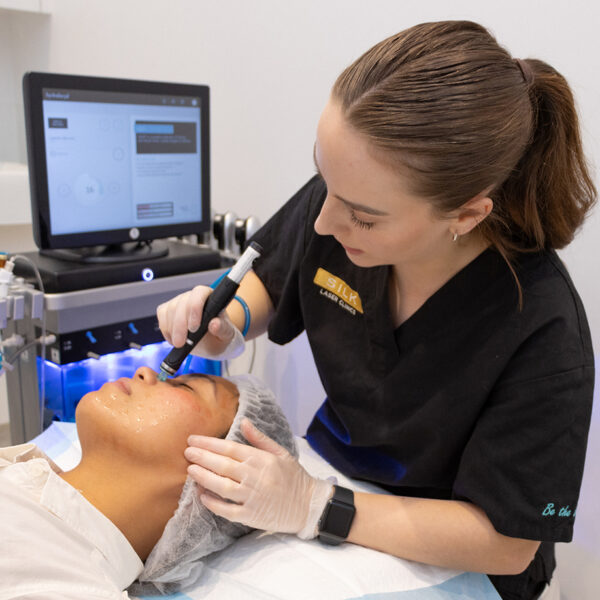
You can expect your skin to look refreshed straight after the treatment, with no downtime afterwards. Mild redness or sensitivity can occur, but this usually settles within a few hours.
Hydrafacial aftercare is just as easy. It mostly comes down to being gentle with your skin for a few days while it settles. A handful of simple habits take care of the rest, and they’re easy to fit into your week.
- Skip actives for 24 hours. Leave out products with active ingredients for the first day, then ease back into your usual routine.
- Stay out of direct sun. Stay in the shade when you can, even on overcast days.
- Apply SPF daily. Start the next morning and keep it up every morning after.
- Pause exfoliating for seven days. That includes scrubs and exfoliating products, so your skin has time to settle.
Once You’re Home
Your therapist will give you personalised aftercare instructions on the day and can recommend home-care products to suit your skin. If anything feels off once you’re home, reach out to them.
Everyday habits matter between visits, too. Air-conditioning in summer and heating in winter can both pull moisture from your skin, so a gentle routine and daily sunscreen are worth sticking with.
Making Sun Protection a Daily Habit
The best sun protection is the kind you don’t have to think about. Once SPF is part of your everyday routine, you’re covered on the days you forget to check the forecast, even the cloudy ones.
SPF as the Last Step of Your Morning
Apply a broad-spectrum SPF every morning, even when it’s overcast, as the final step after moisturiser. When you’re outdoors for longer, pair it with a hat and sunglasses, and look for shade while UV levels are high.
How much you apply matters too. The guidance is about half a teaspoon of sunscreen for your face, neck and ears, applied 20 minutes before you head outside. When you’re out for longer, keep a tube in your bag so reapplying fits into your day.
Where Sun Spots Come From
Daily protection also shapes how your skin looks over time. Pigmentation, including sun spots and freckles, tends to appear where skin sees the most sun, like the face, neck, hands and shoulders. Wearing sunscreen every day is part of keeping pigmentation treatment results looking their best.
Sun exposure isn’t the only factor. Genetics and ageing play a part, and so can hormonal changes such as pregnancy. That’s why pigmentation, including sun spots on your face, is worth getting checked if it’s started to bother you.
Booking a Professional Refresh
Some people like to pair their routine reset with a treatment. Both of the options below are tailored at your consultation, and your therapist will talk you through sun care before and after your appointment.

MediPeels
Spring is a natural time to clear away the dull, dry build-up winter can leave behind. During a MediPeel treatment, a two-step blend of enzymes and acids, including AHAs and BHAs, is used for a deeper exfoliation. Your therapist chooses the blend to suit your skin and what you’d like to work on.
There are nine types of MediPeel, from starter options to pro peels made for concerns like congestion and pigmentation. Some peels need your skin prepped first, so it’s best to book a consultation before your first one.
To start slowly, the Starter Balancing Peel needs no skin preparation and sits alongside other treatments like LED and microdermabrasion. Your therapist can tell you whether it’s the right first step for your skin.

Microneedling
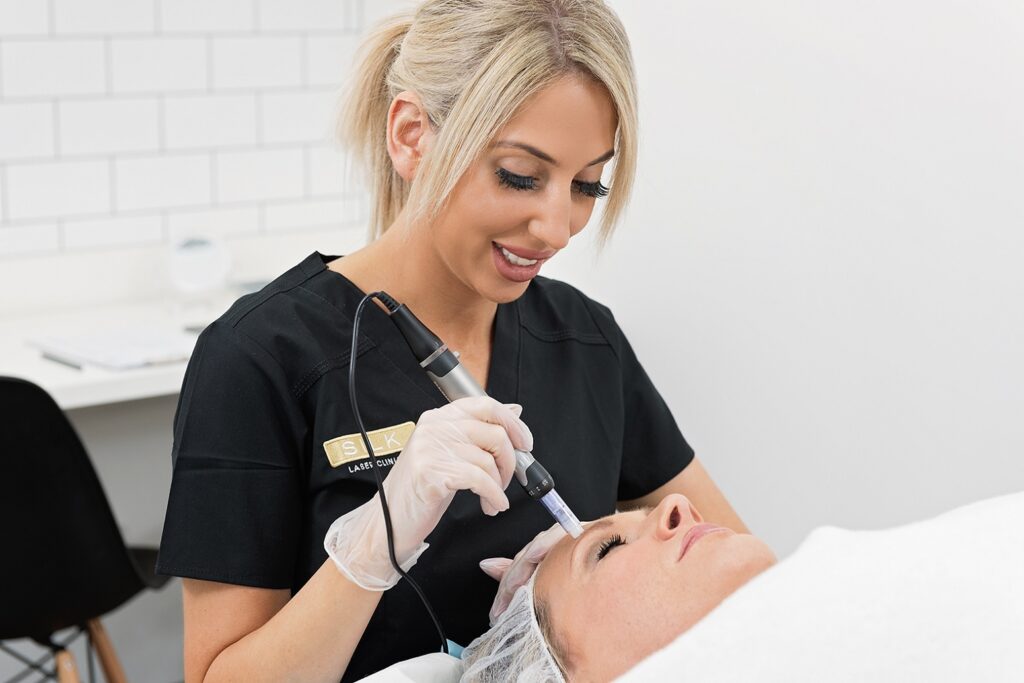
Microneedling creates tiny, controlled micro-injuries on the skin’s surface, without heat or light. Those small injuries may support your skin’s natural renewal, which is why it’s often chosen when skin needs more than a light refresh.
Treatments usually start as a course of four, spaced two to six weeks apart, with ongoing sessions after that. As with many skin treatments, it’s best to avoid waxing or sunburn on the area for two weeks beforehand.
Why the Therapist Matters as Much as the Treatment
It’s easy to focus on the device and forget about the person using it. A good therapist asks about your skin and your routine before the treatment starts. They’ll also be upfront if a Hydrafacial isn’t the right fit for you.
Sometimes your goals point somewhere else, and hearing that at a personalised consultation is a good sign, since the advice is centred on your skin. SILK offers skin, laser and body treatments under one roof, so there’s plenty of choice if a Hydrafacial isn’t the right match.
With more than 60 SILK clinics across Australia, you can expect the same standards of care from experienced therapists at each location. Before booking, check which SILK clinics offer Hydrafacial treatments.
Start With a Conversation
If you’re still weighing it up, a conversation is the easiest first step. Booking a free skin consultation gives you time to talk through your skin and ask anything before your first treatment. You’ll also get a closer look at what your skin actually needs.
From there, your therapist can tailor a plan if a Hydrafacial is the right fit. If something else would suit your skin better, you’ll hear that too, without being committed to anything on the spot.
FAQs
Is there any downtime after a Hydrafacial?
No downtime is needed, which makes it easy to book around work. You can return to your daily activities straight away, and your skin may even look refreshed right after the treatment.
Are there any side effects after a Hydrafacial?
Most clients experience no side effects. You may notice mild redness or sensitivity immediately after treatment, and this typically settles within a few hours. Let your clinic know if anything concerns you.
Can I wear makeup after a Hydrafacial?
It’s best to wait a few hours. That gives your skin time to fully absorb the hydrating serums before anything goes on top. If you’ve got plans that evening, it’s worth booking your appointment with that in mind.
Who isn’t Hydrafacial suitable for?
Hydrafacial isn’t suitable during pregnancy or breastfeeding, or if you have an aspirin or shellfish allergy. A consultation is the best place to talk through other options that may suit your skin instead.
How soon will I notice a difference?
Many clients notice improvements in skin tone and texture after just one treatment, along with a boost in hydration. Individual results vary, so your therapist can talk you through what to expect for your skin.