




Most people start thinking about laser and pigmentation treatments once summer’s approaching. That’s exactly the wrong time to start. The best time for laser and pigmentation treatments is winter, when lower UV means both can be done more safely and effectively.
Recovery feels more comfortable, and sessions are easier to plan around, with enough time to finish a course before summer sun exposure returns. Pigmentation and unwanted hair share the same underlying sensitivity to sun and heat, which is exactly why the same season suits both.
Neither concern needs to wait for the ideal moment to feel fully convenient. Winter is close enough to that already, and understanding why makes it a lot easier to start
Why Winter Is the Best Time to Treat Pigmentation
It’s a fair question, and the answer is simpler than it sounds. Pigmentation doesn’t actually get worse in winter; it just gets harder to hide. A summer tan naturally camouflages sun spots and uneven patches, and once that fades, marks barely noticeable in January can look far more obvious by June.
It’s an old problem becoming visible again, not a new one, mostly because a tan temporarily evens out the contrast between pigmented spots and the surrounding skin. That visibility is useful. It’s a natural prompt to look at what’s been sitting under a tan all along, and exactly the kind of thing a clinician can help assess.
Sun Spots and Sun-Related Marks
Sun spots are usually the first thing people notice once their tan fades. They’re a common form of hyperpigmentation caused by photodamage, appearing as small, flat patches that develop on the face, chest, and hands after years of cumulative sun exposure, most often on areas that get regular sun exposure year after year.
They’re also one of the more straightforward types of pigmentation to treat, particularly once summer’s UV intensity has dropped. Getting pigmentation properly assessed once that colour fades matters more than waiting for next summer to mask it again.
Melasma and Hormonal Pigmentation
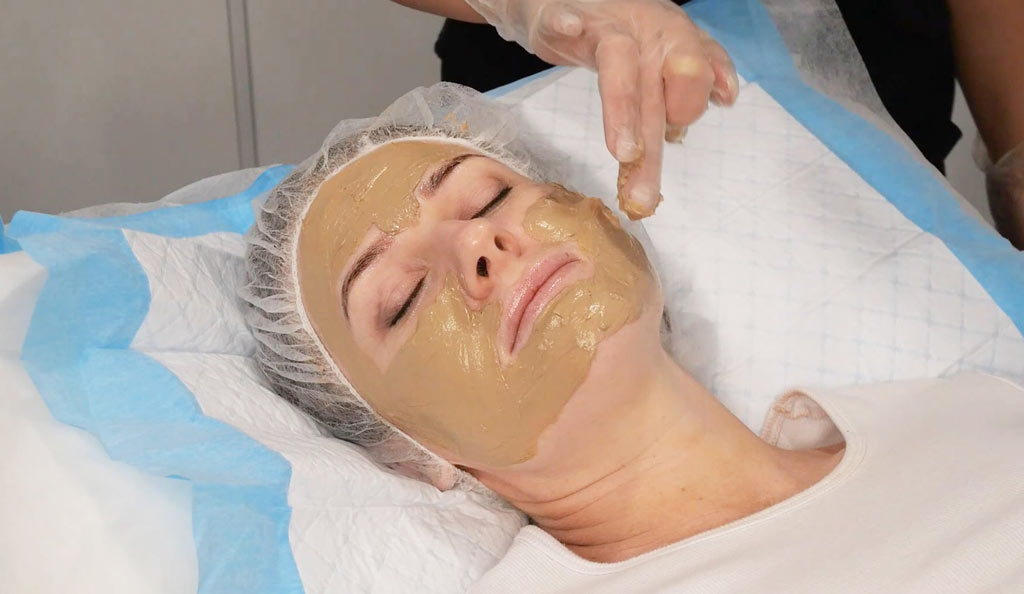
Melasma behaves differently. It’s driven by hormonal changes rather than sun exposure alone, often appearing as broader, symmetrical patches across the cheeks or upper lip. It also tends to worsen with heat and UV exposure rather than fade with a tan, which makes winter a genuinely useful window.
It also responds better to an ongoing plan than a single visit, since it can flare again if the trigger behind it, usually heat, hormones, or sun, hasn’t settled yet. For more stubborn cases, a deeper treatment like the Cosmelan peel may be worth discussing, since melasma needs a different read than sun spots.
Laser Hair Removal Fits the Same Season
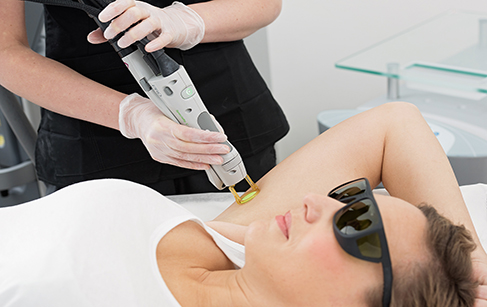
It solves a completely different concern, but the same seasonal logic applies. The treatment targets pigment in the hair follicle, which means skin needs to be free of a tan and reasonably protected from sun exposure, both before and after each session.
Why Sun Exposure Interferes
The laser works by targeting the pigment in each hair follicle, so there needs to be sufficient contrast between the hair and the surrounding skin to work properly. A fresh tan narrows that contrast and increases the risk of the skin reacting unexpectedly to treatment.
That’s why clinics ask clients to avoid sun exposure and self-tanning products for a few weeks before and after each session. Winter makes that request a lot easier to stick to than the middle of a hot, sunny summer.
Getting a Full Course Done
Fitting a laser hair removal course into winter makes that far easier to manage than trying to avoid the sun through the middle of summer. It’s also a course-based treatment by nature, since hair grows in cycles and only some follicles are active at any one time.
Several sessions spaced a few weeks apart give the treatment a chance to catch hair across each growth phase. Starting in winter means that whole course has a genuine chance to run its natural length before summer clothing and beach days start competing for attention.
Why Winter Works in Your Favour
Between the two concerns, the seasonal reasoning holds up for the same handful of reasons. Each one plays a part on its own, but together they add up to a genuinely different treatment window.
- Lower UV, safer treatment. Lower UV levels mean an easier recovery window after treatments that leave skin sun-sensitive and a lower risk of pigment changes while healing.
- Cooler skin, more comfortable recovery. Less heat retention in the skin makes post-treatment redness and sensitivity easier to manage.
- Fewer events, more room to heal. A quieter social calendar makes any downtime easier to work around, without much disruption.
- Time to commit to a course. Winter also makes it easier to reschedule around setbacks. An unexpected tan or a sunny week is far less likely to derail a session booked in July than one booked in February.
None of this needs to be the only thing on your radar this winter. If the rest of your routine could use a refresh too, the winter skin must-haves make a good companion, and together, these reasons are why so many clinics quietly treat winter as the busiest season for these treatments, not the quietest.
Why the Clinician Matters as Much as the Treatment
What matters most isn’t which treatment you start with: pigmentation or laser hair removal. It’s whether the person assessing your skin is willing to say the honest answer is to wait, or take a different approach altogether, rather than pushing you toward a booking.
Every treatment at SILK starts with a proper consultation, not a set menu. More than 60 clinics across Australia maintain the same high standard, so that same approach is there wherever you happen to be.
That matters especially when two options seem similar on paper, such as weighing up a course of pigmentation treatments against starting with laser hair removal first. A second opinion from someone trained to read skin properly is worth more than guessing based on what’s trending online.
Getting Started This Winter
Whichever concern brought you here, pigmentation or unwanted hair, the next step is a proper look rather than guessing at what’s right for your skin. A first consultation usually runs through your skin history, sun exposure, and what you’re hoping to get done before summer, so the plan that comes out of it actually fits your winter.
By booking a consultation, you’ll have your skin thoroughly assessed by a qualified nurse or clinician. From there, they talk through which concern makes sense to start with and map out a realistic timeline, without committing you to anything on the spot. Winter’s timing won’t last forever, so it’s worth using while it’s still working in your favour.
FAQs
Is winter really the best time for laser and pigmentation treatments?
For most people, yes. Lower UV levels mean an easier recovery window and a lower risk of pigment changes while skin heals, which is why so many clinics see their busiest season for these treatments over winter.
How many sessions will I need?
It depends on the concern and how it responds, which is exactly what a consultation is for. Some pigmentation responds well to a single session, while melasma and laser hair removal usually work better across a planned course.
Can I treat pigmentation and unwanted hair in the same season?
Often, yes, since both benefit from the same lower-UV conditions. A clinician can talk through the right order and spacing so neither treatment gets in the way of the other.
Will pigmentation come back after treatment?
It can, particularly if sun exposure increases or consistent SPF use is not maintained. Ongoing sun protection and a suitable skincare routine will form part of the personalised skincare plan developed during your consultation, helping support the results of your treatment over time.
What’s the difference between sun spots and melasma?
Sun spots are usually caused by cumulative sun exposure and tend to respond well to a session or two. Melasma is hormonally driven, often requires an ongoing plan, and is more likely to flare again if the trigger behind it hasn’t settled.