






Why is my skin so dry in winter? Cold air holds less moisture than warm air, and indoor heating can dry the air even further. Together, these conditions can put your skin barrier under pressure, leaving your skin feeling dry, tight and uncomfortable. This happens to almost everyone, and it isn’t a sign you’re doing something wrong.
So, what’s actually happening to your skin, and how can you tell the difference between dry and dehydrated skin? A few small changes to your routine can help, and knowing when to see a professional makes it easier to get your skin back on track.
Why Your Skin Gets So Dry in Winter
Winter skin barrier problems usually come down to three factors working together, none of which you can easily control.
- Cold, dry air. It holds less moisture than warm air, so it pulls moisture from your skin as soon as you step outside. Even a crisp, clear morning that feels mild can dry your skin fast.
- Indoor heating. Heaters and reverse-cycle air conditioning dry out the air indoors just as much, so there’s rarely a real break from it, even overnight while you sleep.
- Hot showers. Hot water strips the oils that help your skin hold onto moisture. That undoes some of what the rest of your routine is trying to do, especially if showers run long once it’s cold outside.
This is why your usual routine may need a considered adjustment rather than a quick fix, and why it helps to understand exactly what you’re dealing with first.
Dry Skin vs Dehydrated Skin: What’s Actually Going On
These two phrases are often used interchangeably, but they’re not actually the same, and knowing which one you’re dealing with changes what actually helps.
Dry Skin
Dry skin is a skin type, not a temporary condition. It means your skin naturally produces less oil, which is often influenced by genetics and tends to remain fairly consistent throughout the year. You may notice tightness, flaking or sensitivity when your skin doesn’t have enough natural oil to support its barrier.
Winter can make these symptoms more noticeable because cold air contains less moisture, while indoor heating can dry the air even further. These seasonal changes don’t cause dry skin on their own, but they can make an underlying tendency towards dryness much harder to manage.
Dehydrated Skin
Dehydrated skin is different from dry skin. It’s a temporary condition, not a skin type, caused by a lack of water in the skin. It can affect any skin type, including oily skin, so getting dehydrated skin properly assessed can help you understand what your skin actually needs.
In the meantime, shine can offer a useful clue. Dehydrated skin can still look shiny, particularly through the T-zone, while feeling tight or uncomfortable elsewhere. This can make dehydration easy to mistake for dryness, especially if your skin has never felt dry before.
Signs Your Barrier Is Under Strain
A few signs tend to appear together when your moisture barrier is under more pressure than usual. These changes signal your skin needs a little more support, not something just to work around.
- Tightness after cleansing, especially if it lingers instead of easing within a few minutes.
- A dull or flat appearance, instead of your skin’s usual glow.
- Flaking or rough patches, particularly around the nose, cheeks or jaw.
- Increased sensitivity, including reactions to products that were perfectly comfortable during summer.
These changes don’t automatically mean something is wrong. They’re a sign your skin barrier may need extra care. You may also notice pigmentation you’d almost forgotten about becoming more visible, as skin changes can make it appear more pronounced. Understanding the different types and causes of pigmentation, from freckles and sun spots to melasma, can help you work out what you’re dealing with.
What Helps at Home
You don’t need to rebuild your daily skincare routine completely just for winter. A gentler, cream-based cleanser can be a better choice than a foaming formula, since it’s less likely to strip the skin. That matters even more when your skin barrier is already under strain.
Adding a hydrating serum beneath a slightly richer moisturiser can help, too, especially when winter leaves your skin feeling tight or dry. Consistent self-care can support skin confidence through the colder months, with the serum drawing water into the skin and the moisturiser helping to lock it in. Applying both while your skin is still slightly damp can also help your skin retain moisture.
SPF is still important, even on grey winter days, because UV exposure doesn’t disappear when the temperature drops. Shorter, cooler showers can help as well, as hot water can strip the skin of its natural oils and leave it feeling even drier.
It’s also worth looking at the ingredients in your products, not just how they feel. Ceramides help support barrier repair, while hyaluronic acid helps attract and retain water, making both useful ingredients to look for in a winter moisturiser.
When It’s Worth Bringing In a Professional
Home care genuinely does most of the work. But sometimes, a professional treatment can do more in a single session than weeks of adding extra products, particularly when your skin barrier is already struggling.
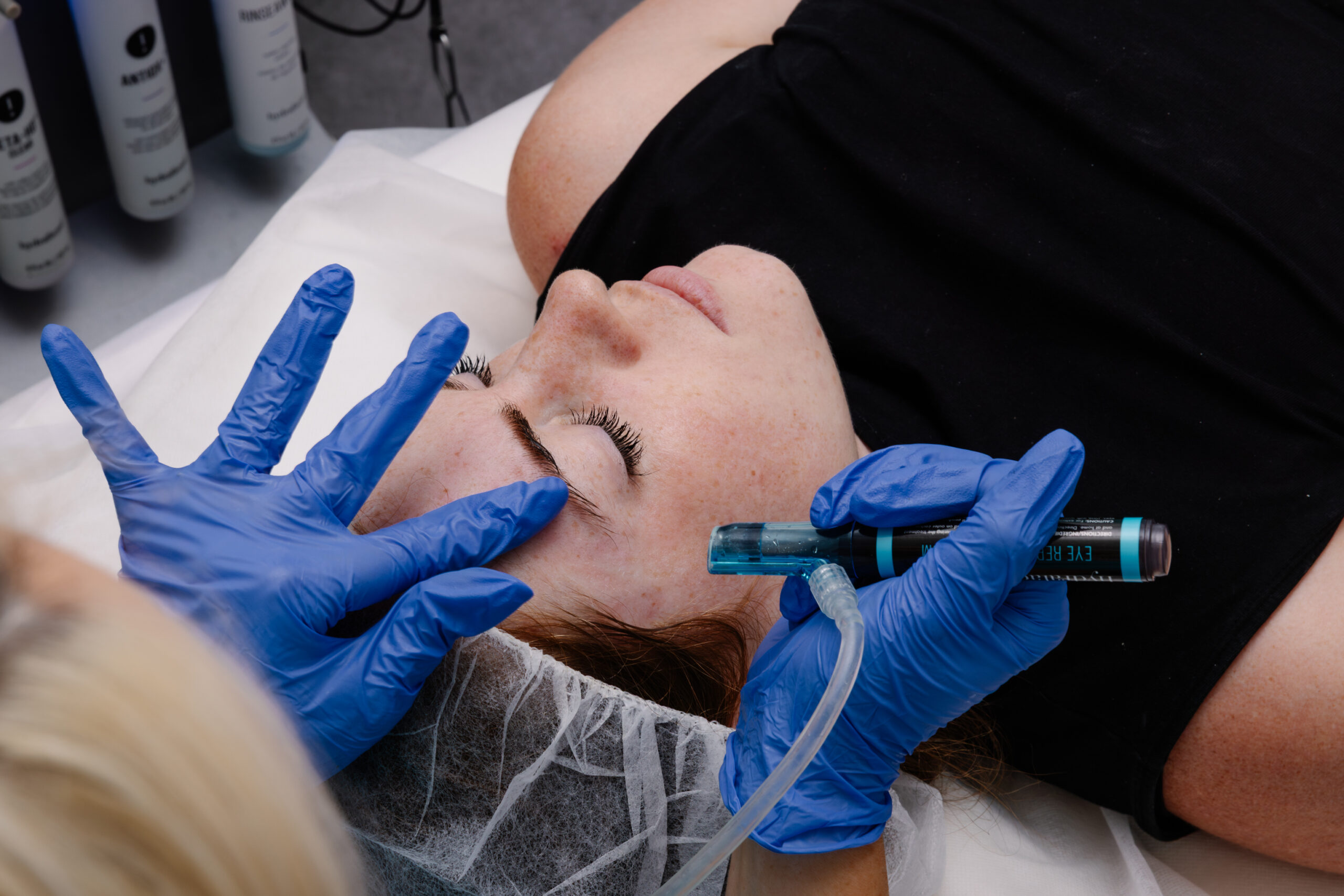
A HydraFacial cleanses and exfoliates in a single session, replenishing hydration without much recovery time afterwards. It can leave skin looking fresher and more hydrated straight away, making it a practical option when your skin needs a little more than your usual routine can provide.

Think of it as a boost alongside your home routine, useful when your skin has fallen behind. LED light therapy is another gentle option, particularly for skin that has become more sensitive or reactive over winter. It calms the skin without adding anything harsh to your routine.
LED light therapy also doesn’t require any downtime, which makes it easy to fit into a winter skincare plan. If you’re unsure whether either treatment is right for your skin, a proper consultation is the better starting point, as a clinician can assess what’s happening and recommend what your skin actually needs.
Why the Clinician Matters as Much as the Treatment
What matters most isn’t which treatment you try first, whether that’s a HydraFacial or something else entirely. It’s whether the person assessing your skin is willing to say the honest answer is to wait or adjust your home routine, not push you toward a particular treatment.
Every treatment at SILK starts with a proper consultation, not a set menu, with nurse- and clinician-led practitioners registered with AHPRA behind every recommendation. With more than 60 clinics across Australia, every one is held to the same standard wherever you book.
Keeping Your Skin Comfortable This Winter
None of this needs to be complicated. Knowing the difference between dry and dehydrated skin, making a few adjustments at home and getting some extra support when you need it can make a real difference.
You can book a consultation and go from there, without deciding on a treatment beforehand. Winter dryness doesn’t have to be something you simply put up with until spring.
FAQs
How do I know if my skin is dry or dehydrated?
One clue is whether oily areas such as your T-zone still look shiny while other areas feel tight or uncomfortable. This can indicate dehydration instead of a naturally dry skin type, although a consultation can confirm what your skin needs.
Is it normal for skin to get drier every winter?
Seasonal dryness is common because cold air, lower humidity and indoor heating can affect the skin barrier each year. How much it affects you can vary, depending on your skin type and how well your routine supports your skin through the colder months.
Can dry winter skin make other concerns worse, like pigmentation?
Dry skin doesn’t directly cause pigmentation, but changes to the skin barrier can make existing pigmentation appear more noticeable. Supporting the barrier can also make it easier to manage other skin concerns as part of your overall routine.
How long does it take for a hydrating routine to make a difference?
You may notice some improvement within a couple of weeks of making consistent changes to your routine. If your skin is still feeling dry or uncomfortable after that, a professional assessment can help identify what it needs.
Do I need a HydraFacial, or can home care be enough?
For many people, a consistent home routine provides enough support to manage winter dryness. A HydraFacial may be worth considering when your skin needs additional hydration or a more immediate reset.