






There’s a particular kind of joy in booking a Euro Summer escape while it’s grey and freezing at home. The Amalfi Coast. A Greek island that looks faintly unreal in photos. A long, slow lunch somewhere the sun actually bothers to show up. After an Australian winter, you’ve earned every single minute of it.
Then the planning kicks in, and somewhere between the flights and the packing list, a smaller thought surfaces. You’ll be living in swimwear and linen for weeks, and the last thing you want is to spend the trip thinking about shaving or hunting down a razor in a cramped hotel bathroom at 11 pm. If low-maintenance, smooth skin is on the wish list, laser hair removal is worth a look.
Here’s the catch, though, and it’s the bit nobody mentions until the Euro Summer flights are already booked. You can’t sort this out in the week before you fly. A laser needs a run-up. So while there’s still time on the clock, let’s do the maths.
Why Laser Works Best When You Plan Ahead
Laser hair removal takes more than one appointment because hair grows in cycles. The laser works best on hair in its active growth phase, but not all the hair on your legs is in that phase at the same time. Some hairs are resting, while others are naturally shedding, so the laser cannot effectively target every hair in one session.
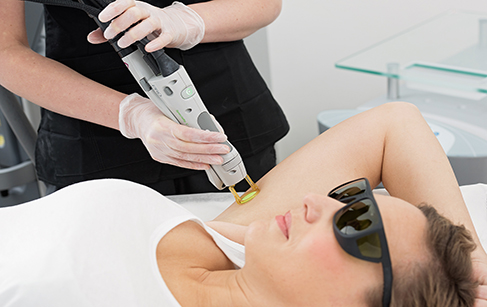
That is why a course of laser treatment is needed. Each appointment targets a new group of hairs as they move into the active growth phase, which is also why sessions are spaced several weeks apart. Booking them too close together will not speed things up, because there may not be enough active hair for the laser to target.
The shaving rule people often miss
Once you understand that a laser works with the hair growth cycle, the shaving rule makes a lot more sense. Between sessions, shaving is fine because it cuts the hair at the surface, but waxing, plucking, and epilating remove the hair from the root, and that root needs to be there for the laser to target. If you tweeze or wax before your appointment, there may be less for the laser to work with, which can make that session less effective.
Working back from your flight date
Planning hair removal before travel is easiest when you start with your departure date and work backwards. Body sessions are usually spaced around six to eight weeks apart, so the number of appointments you can fit in before you fly depends on how much lead time you have.
|
Time before you fly
|
What this means for your plan
|
|---|---|
|
4 to 5 months out
|
This is the sweet spot. There is enough time for several properly spaced sessions before you go, so you are more likely to notice a meaningful difference before you fly. If your Euro Summer is already booked, this is the time to start planning.
|
|
2 to 3 months out
|
Still well worth it. You may not complete a full course before you leave, but you can start building momentum, complete a solid run of sessions, then continue when you get home.
|
|
3 to 4 weeks out
|
Cutting it fine, but not pointless. One session can still get things moving, especially if you plan to continue afterwards. It also gives your clinician a chance to map out a longer-term plan beyond this trip.
|
What a treatment actually feels like
Treat those timings as a guide rather than a fixed rule. Your actual spacing depends on the area being treated, your hair type, your skin tone, and how your body responds. No two plans look the same, which is why each one is mapped out in a personalised consultation rather than set to a standard schedule. Coarse, dark hair on the legs behaves very differently from finer hair on the face or arms. Your clinician will assess both before anything is booked.
If your countdown is tight, it also helps to be strategic about which areas you start with. Underarms and the bikini line are often easier to plan before a trip because they are usually less exposed to incidental sun in the lead-up. Areas like the forearms, face or lower legs may need more careful timing if you are heading somewhere sunny, so your clinician can help you decide what to prioritise.
Plan Around Sun Exposure and Tanning
The other thing to plan around is tanning. Laser targets pigment, which means a fresh tan can make treatment less suitable on the day and may increase the risk of irritation or uneven results. It also works the other way, as treating recently tanned skin can affect how that tan fades in the treated area.
That is why it is worth mentioning your Euro Summer plans at your very first appointment. Once your clinician knows your departure date, destination and likely sun exposure, they can build your sessions around what you need and when. In many cases, the smartest move is to leave a little breathing room between your final session and your flight. That gives your skin time to settle before you’re in the sun, sand, or pool.
A course versus forever waxing
Cost is usually the next question, and fair enough. One laser session can look like a bigger spend when compared with a single wax, but that is not really the full picture. Waxing and shaving seem cheaper, but the recurring costs build up over time.
A wax here, a new razor there, another appointment before the next event. Over time, those small costs add up, and so does the time spent keeping on top of them:
– Waxing and shaving are small, repeating costs with no finish line. You keep paying for them and making time for them month after month.
– A laser course is a higher upfront investment that works toward permanent hair reduction, usually tapers into occasional maintenance rather than a standing appointment.
– At-home IPL sits somewhere in between. It can be cheaper again, but it is lower intensity and not tailored to your skin in the same way as an in-clinic treatment.
That is where the value often becomes clearer. You are not just weighing up the cost of one appointment against another. You are weighing up years of waxing or shaving against a planned laser course that can reduce the amount of ongoing maintenance you need. Add in the time saved, fewer battles with razor irritation and ingrown hairs, and the ability to continue your course at any clinic across Australia when you’re home. The longer-term picture starts to look very different.
What about the at-home handsets?
At-home devices are tempting, especially when you are trying to get holiday-ready, but they are not the same as an in-clinic laser. Most home devices use IPL, which emits a broad spectrum of light, while a professional laser uses targeted technology tailored to your skin and hair.
That does not mean at-home devices have no place, but they are usually better thought of as maintenance support rather than a shortcut before a deadline. If you want a proper pre-holiday laser plan, an in-clinic consultation gives you a clearer idea of what is realistic, what areas to prioritise, and how to time your sessions safely around sun exposure.
A few things to get right along the way
Once your sessions are booked, a few simple habits can help keep your skin on track. None of it is complicated, but it is easy to forget when you are busy planning flights, outfits and everything else that comes with a trip.
Before each session
Shave the area a day or so beforehand so the hair is trimmed at the surface, but the follicle is still there for the laser to target. Skip the sunbed and the spray tan, and keep the area out of strong sun in the days leading up. Arrive at your appointment with clean skin, free of heavy lotions or makeup over the treatment area.
After each session
Expect some warmth or mild pinkness for a little while, much like light sunburn, which settles quickly. Keep the area protected with SPF, go easy on hot showers, saunas and vigorous workouts for a day or two, and let your skin recover rather than scrubbing or exfoliating it straight away. Your clinician will give you the specifics for your skin.
While you’re away
If you’re mid-course when you travel, keep the treated areas protected from the sun and stick to shaving rather than waxing if you need to tidy up. That keeps your progress intact and means you can pick up right where you left off when you’re home.
Not all laser clinics are the same
Getting your timing right before a trip leaves less room for error than a standard course at home. If a session is poorly planned or your skin reacts unexpectedly close to your departure, there’s not always time to adjust before you fly. That makes the quality of the consultation more important, not less.
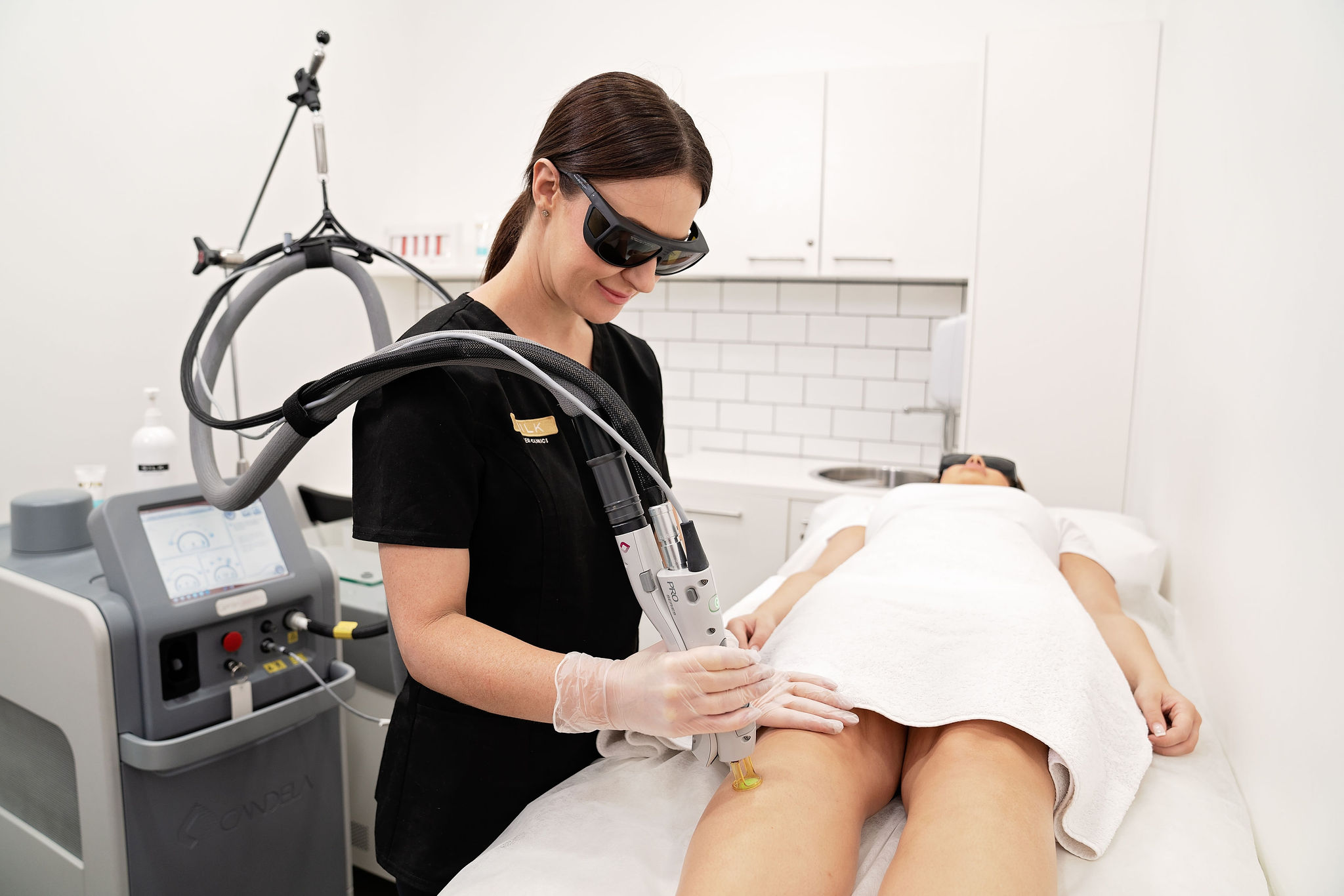
The practitioner running that consultation carries most of the weight. They’re the ones assessing your skin tone and hair type, deciding which areas to prioritise given your timeline, and building a session schedule around your travel dates rather than a standard template. Not every clinic approaches it that way, and the difference shows in how well your course holds up when real-world variables like sun exposure and time pressure come into play.
With locations across Australia, you can also continue your course at any clinic when you’re home, picking up exactly where you left off rather than starting again.
Map your own countdown
So, the short version. Turn your flight date into a plan, and do it sooner rather than later. The gap between starting this week and starting next month is real, and it never tilts in your favour by waiting.
A consultation with an AHPRA-registered clinician is the right place to start. They can look at your skin, work around your travel dates, and map out what hair-free skin before your Euro Summer would realistically look like, so you can get back to the fun part of deciding which corner of Europe gets you first.
FAQs
Can I book laser hair removal around other pre-holiday treatments?
It is worth telling your clinician about any other skin, body or aesthetic treatments you have planned before your trip. They can help you space everything appropriately, so your skin is not overloaded in the lead-up to travel.
What should I tell my clinician if I have travel booked?
Bring your departure date, destination, planned activities and any expected sun exposure into the conversation early. Those details help your clinician map your sessions around your trip rather than treating travel as an afterthought.
Is it better to start now or wait until after my holiday?
It depends on how soon you are leaving and which areas you want treated. In some cases, starting before you go can help get your course underway, while in others, your clinician may suggest waiting until your skin is less exposed to the sun.
Can I swim after laser hair removal?
It is usually best to avoid pools, spas, saunas and ocean swimming until your skin has settled after treatment. Your clinician will give you aftercare advice based on the area treated and how your skin responds on the day.
What happens to my laser course if I take a break while travelling?
A break mid-travel doesn’t usually mean you restart your laser hair removal course, but your next session may need to be timed around your skin, hair growth, and any sun exposure from your trip. When you return, your clinician can reassess the area and help you continue from there.