




At-Home Devices vs Professional Treatments: What the Difference Actually Means
At-home beauty devices have come a long way. IPL handsets, microneedling rollers, LED masks: they’re sleeker, their packaging smarter and more accessible than ever, and it’s easy to see why so many people are curious about them. Managing your skin and hair on your own schedule, without having to book appointments, sounds appealing.
But as the at-home device market in Australia has grown, so has the gap between what these devices promise and what they actually deliver. We’re not here to tell you that at-home devices are a waste of money. We’re here to give you an honest picture of what each category can realistically achieve and when a professional treatment makes a genuinely meaningful difference.
What at-home devices are actually doing to your skin
The most important thing to understand about at-home devices is that they’re not the same class of technology as the equipment used in a professional clinic. They work at a different depth, a different intensity, and with a different level of personalisation.
Alana Van Der Schouw, Head of Education across SILK Laser Clinics, Australian Skin Clinics and Clear Skincare, puts the appeal plainly: “Convenience, affordability, and the appeal of do-it-yourself solutions drive interest in at-home devices, and people want results on their own schedule without visiting a clinic.”
That makes complete sense. The question is whether the results you get from a device match the results you’re actually looking for.
The differences play out differently depending on the device. At-home IPL handsets scatter light across multiple wavelengths, less targeted than the medical-grade laser used in a clinic. Microneedling rollers work at the skin’s surface while clinical devices reach the dermis. LED masks are a slightly different story, and each category gets its own section below.
The distinction in every case comes down to three things: depth, power, and whether a qualified practitioner has actually examined your skin.
Laser hair removal: the gap between visible and permanent
Most at-home laser hair removal devices use IPL technology rather than true laser, which is one reason results tend to differ from professional treatments. At-home IPL devices do produce visible hair reduction for many people, particularly those with lighter skin tones and darker hair. If you match that profile and you’re consistent, you’ll likely see results. The question isn’t whether something happens. It’s whether what happens over time compares to what a clinical treatment can actually deliver.
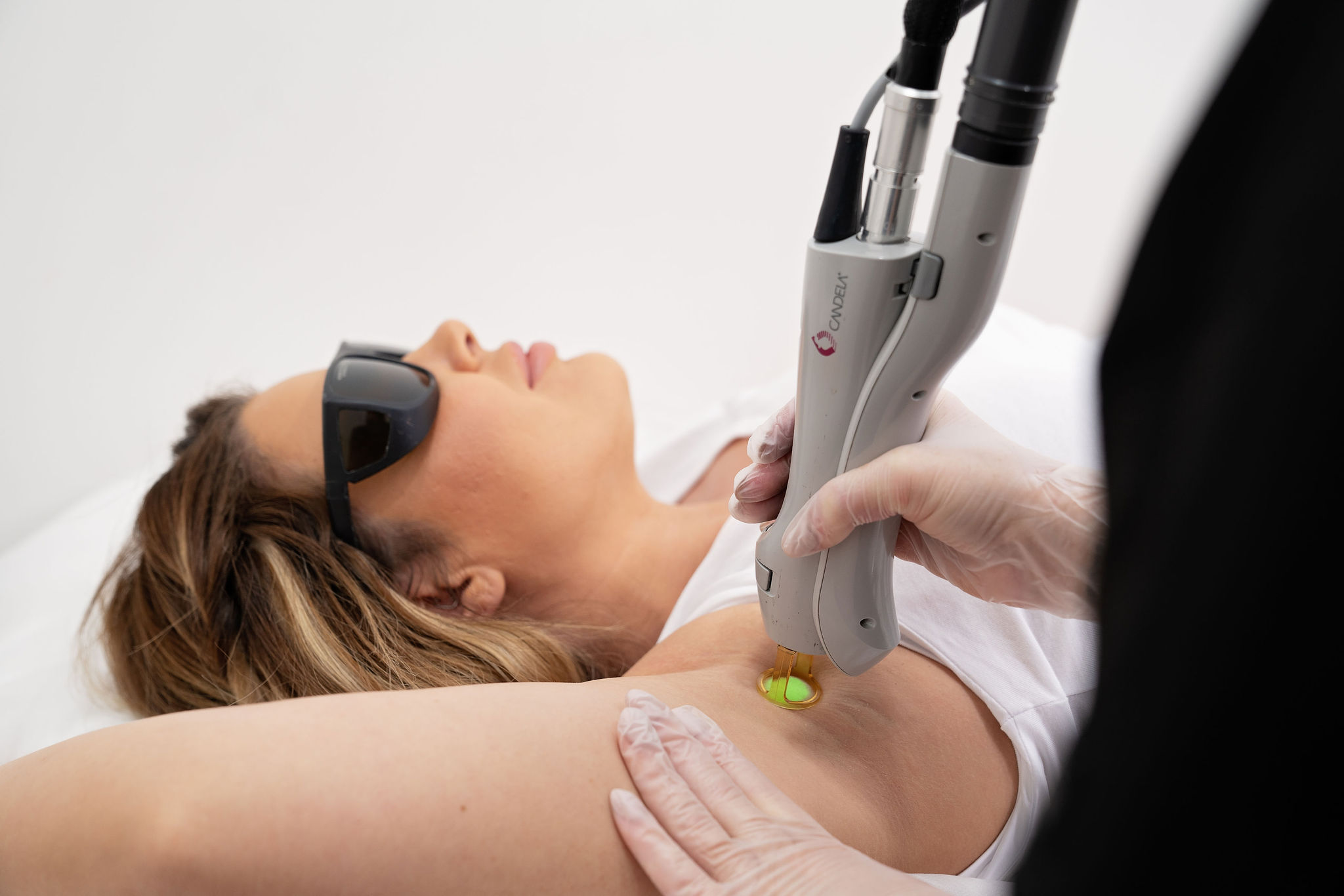
Professional laser hair removal uses medical-grade technology calibrated to synchronise with the active growth phase of the hair cycle. That timing matters because the laser is most effective on hairs that are actively growing. At-home devices follow a standard manufacturer schedule rather than your individual hair cycle, meaning results can be slower and less consistent.
Skin types and safety
At-home IPL devices also have real limitations for darker skin tones and certain hair colours, because the technology relies on contrast between hair pigment and skin. A clinician can select and calibrate the right laser for your specific skin and hair type. As Alana explains, at-home devices “are less powerful than professional lasers and work slower,” and “cannot guarantee permanent results or treat all skin types safely.”
It’s also worth understanding the risks. Hyperpigmentation, skin irritation, burns and eye injury are all documented side effects, most commonly when a device is used on a skin type or hair colour it wasn’t designed for. A practitioner screens for exactly these contraindications before treatment begins.
What professional treatment actually provides
As Alana puts it, at-home devices are convenient, but “they lack the power, energy output, personalisation and efficiency that clinical devices possess.” The goal for most people is permanent hair reduction, and that’s where professional treatment consistently delivers.
Microneedling at home: why needle depth is everything
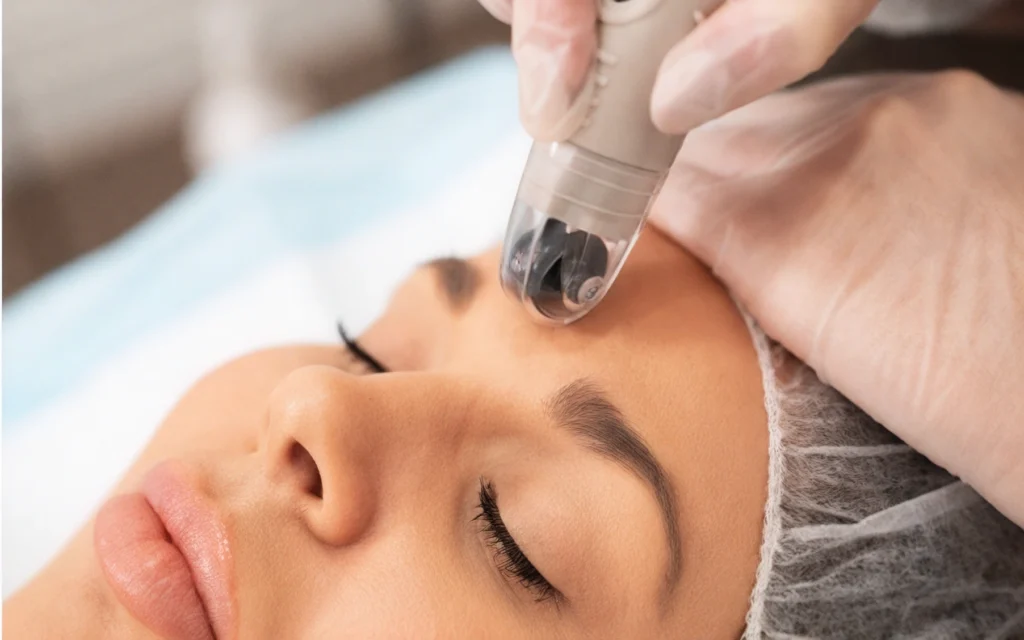
Microneedling has built a strong reputation in professional skin care for good reason, and it’s easy to see why at-home versions are appealing. If the clinical treatment produces real improvements in skin texture and scarring, why not do an at-home version at a fraction of the cost? The answer comes down almost entirely to depth.
At-home rollers and pens typically operate at 0.1 mm to 0.3 mm, working at the skin’s surface and helping active serums penetrate more effectively. That’s genuinely useful, but it isn’t the same as a clinical needling treatment.
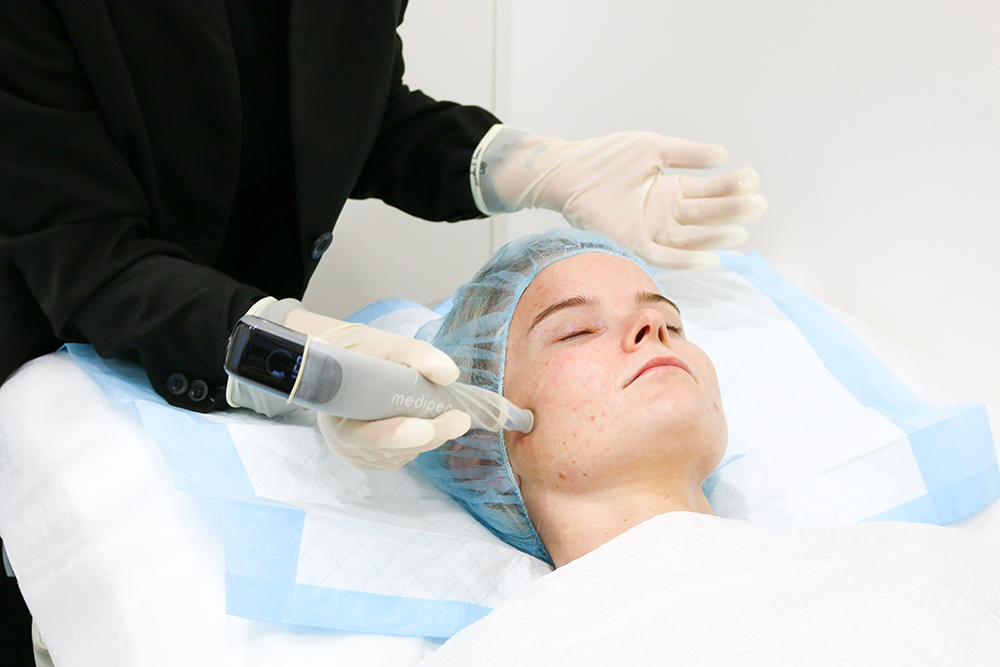
Professional microneedling reaches depths of 0.5 mm to 1.5 mm into the dermis, where the skin’s structural proteins live. At that depth, the treatment triggers the skin’s natural healing response, stimulating new collagen and elastin over time. The clinician selects the depth based on your specific skin type and concerns. There’s no equivalent of that assessment with a home device.
Safety considerations
The TGA classifies microneedling devices that claim to treat skin conditions as higher-risk therapeutic goods, meaning they need to be listed on the Australian Register of Therapeutic Goods to be sold in Australia. That regulatory framework exists for good reason.
There are also practical safety considerations that are easy to underestimate. Clinical environments follow strict sterilisation protocols that a home setting simply can’t replicate, and the risks of getting it wrong are real:
- Infection: inadequately cleaned devices introduce bacteria directly into skin that has been deliberately punctured
- Skin tearing: lower-quality needles can tear rather than puncture, causing inflammation rather than the controlled healing response the treatment is designed to produce
- No contraindication screening: conditions like active acne or rosacea mean the treatment shouldn’t proceed at all, and a home device has no way of knowing that
LED face masks: honest about what they can and cannot do
LED is a slightly different conversation from laser or microneedling. LED masks deserve a more balanced assessment than laser or microneedling. Quality at-home devices using FDA-cleared technology and clinically validated wavelengths can produce improvements in skin tone, texture and the early signs of ageing with consistent use. That’s worth acknowledging honestly.
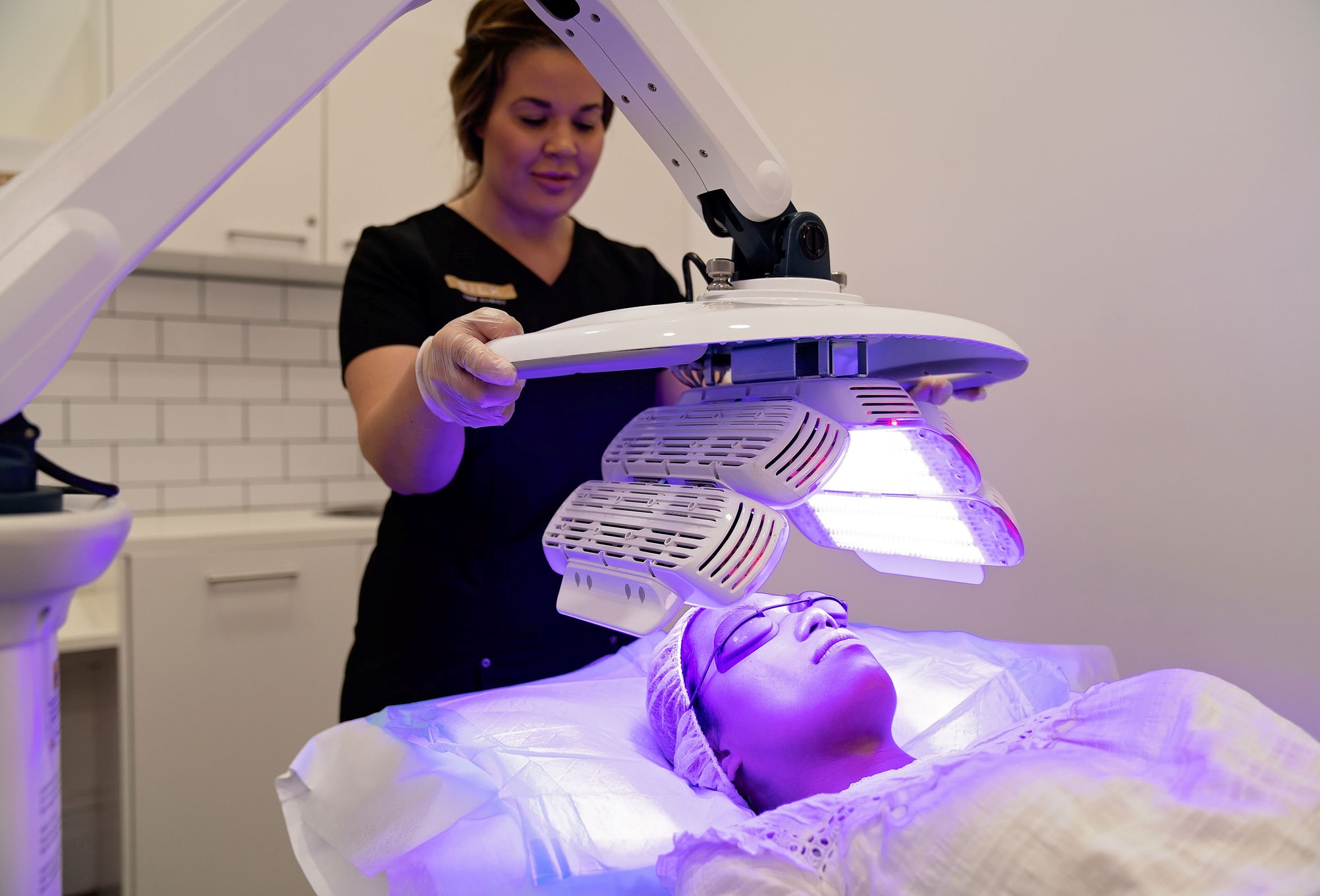
The distinction comes down to power and precision. Clinical LED light therapy uses panels operating at significantly higher irradiance than any consumer device that’s safe for home use. That higher power means light penetrates deeper into the skin and produces a stronger cellular response, so results come faster and are more pronounced, particularly when you’re targeting a specific concern.
Which option is right for you?
Professional LED doesn’t exist in isolation either. A clinician can combine it with other treatments and adjust the protocol based on how your skin is responding. That level of oversight doesn’t come with a home device.
A practical way to think about it: for general skin maintenance between clinic visits, a quality LED mask is a worthwhile option. For a specific concern you’re actively trying to address, whether that’s persistent redness, congestion or more pronounced signs of ageing, professional treatment will deliver a more meaningful result.
What a professional clinic offers that a device cannot replicate
No device, however advanced, starts by having a conversation with you. Every professional treatment begins with an assessment of your skin concerns, your health history, your goals, and whether treatment is right for you at this point. That level of personalisation isn’t a luxury. It’s what determines whether a treatment is both safe and genuinely effective for your skin.
Every treatment is delivered by clinician-trained, AHPRA-registered practitioners who understand how different technologies interact with different skin types. They can adapt in real time based on how your skin is responding, which no device can do.
Treatment timing is another layer that home devices can’t replicate. In-clinic laser is scheduled to synchronise with your hair growth cycle for better results over time. That kind of structured, personalised approach simply doesn’t exist with a consumer device.
With clinics across Australia and a full range of treatments under one roof, your skin plan can grow and change as your skin does. If you’d like to understand what’s actually right for your skin, book a consultation with a SILK clinician.
Finding out what is right for your skin
There’s no single answer that fits everyone. For some goals and some budgets, an at-home device is a reasonable place to start. For others, it’s the long way around to the result you actually want.
A conversation with a clinician can help make the next step clearer, especially if you’re unsure which option may be appropriate. At SILK, this consultation is where every treatment plan begins, with time to discuss your skin, your goals and any questions before personalised recommendations are made.
FAQs
Are at-home IPL devices as effective as professional laser hair removal?
At-home IPL devices may support visible hair reduction for some people, particularly those with lighter skin tones and darker hair. Professional laser hair removal uses clinical technology and treatment planning that can be adjusted based on skin type, hair type and the individual hair growth cycle.
Is at-home microneedling safe?
At-home microneedling can carry risks if the device is not used correctly, particularly with deeper needle lengths or poor hygiene. Professional microneedling is performed in a clinical setting, where suitability, skin condition and aftercare can be assessed before treatment.
What is the difference between an at-home LED mask and clinical LED therapy?
At-home LED masks and clinical LED treatments may use similar light wavelengths, but they are generally designed for different levels of use. Clinical LED therapy is performed with professional equipment and guided by a clinician, helping ensure the treatment is appropriate for your skin.
Can at-home laser or skin devices cause skin damage?
At-home devices can cause irritation, burns, pigmentation changes or eye injury if used incorrectly or on unsuitable skin types. A professional consultation helps identify these risks before treatment and allows recommendations based on your skin, history and goals.
How do I know whether an at-home device or professional treatment is right for my skin?
The right option depends on your skin, your concerns, the technology being considered and how your skin may respond. A consultation with a clinician can help clarify what may be suitable, whether that involves at-home care, professional treatment or a combination of both.
Disclaimer: Treatments are available to adults aged 18 years and over and may not be suitable for everyone. A consultation is required to assess your individual needs and treatment suitability. Results vary from person to person and depend on factors including skin condition, treatment plan, lifestyle, and aftercare. The information provided is general in nature and should not be considered personal advice.