



Perimenopause is often felt before it’s seen.
One day you’re happily moving through life, and the next your body seems to be introducing new surprises without warning. Sleep feels different. Energy feels different. Your favourite skincare products suddenly don’t feel quite so favourite anymore.
Then your skin joins the conversation.
Maybe it’s a little drier. A little less bouncy. A little more reactive than it used to be. Maybe pigmentation seems more noticeable, or your complexion doesn’t look as bright as it once did.
If you’ve found yourself wondering, “When did my skin start doing this?” you’re definitely not alone. We hear it every day in clinic.At SILK Laser Clinics, we’re obsessed with skin and passionate about helping women understand what’s happening beneath the surface, so they can move forward with confidence instead of confusion.
The good news? Your skin hasn’t suddenly stopped working. It’s responding to changes happening within the body, and with the right guidance, it’s absolutely possible to support it through this stage.
Ageing vs Menopause: Why Your Skin Feels Different
Our skin carries our history.
Skin ageing is cumulative. It happens over decades, shaped by genetics, sun exposure, lifestyle, sleep, stress and time. You may not notice these changes day to day, but across years they become more visible. Midlife hormonal changes are different. They can introduce visible skin changes on a different timeline. It helps to understand what these two stages actually mean. Perimenopause is the transition leading up to menopause, a period that can last several years, during which oestrogen levels don’t simply decline but fluctuate, sometimes unpredictably. Menopause itself is a specific marker: twelve consecutive months without a period. The years that follow are post-menopause, when oestrogen settles at a consistently lower level.
That distinction matters for your skin. During perimenopause, the hormonal environment is shifting and inconsistent, which is why skin can feel unpredictable, reactive one week, dry the next, less tolerant of products you’ve used comfortably for years. After menopause, when oestrogen is consistently lower, the visible changes in hydration, firmness, tone and texture can feel more permanent and noticeable. Understanding which stage you’re in can help explain why your skin feels inconsistent rather than simply changing, and why what your skin needs may continue to evolve.
In other words, it can sometimes feel like your skin is making up the rules as it goes. One week everything feels fine, the next your skin seems to have developed a completely different personality.
What hormonal changes mean for your skin
To understand these changes, it helps to understand what oestrogen does for the skin.
Oestrogen isn’t only a reproductive hormone. Oestrogen receptors are distributed throughout the skin. Think of those receptors as locks, and oestrogen as the key designed to fit them. When oestrogen levels are stable, messages that support hydration, firmness and skin comfort are delivered more consistently. As oestrogen begins to fluctuate and decline, those signals become less consistent too, and that shift can show up in the skin in ways that become harder to manage.
- Dryness becomes more noticeable
A feeling of dryness is often one of the first changes noticed during perimenopause and menopause. Oestrogen plays a role in how skin holds moisture, so as levels change, the skin may not retain hydration in quite the same way. This is connected to the skin’s surface barrier. The surface lipid matrix is made up largely of ceramides, cholesterol and fatty acids, which help keep the outer layers of the skin flexible and reduce water loss. As hormone levels shift, the skin’s surface barrier may not function quite as well as it once did. When the surface is less hydrated and less even, the skin doesn’t reflect light as smoothly. Fine lines can look more obvious, makeup may sit less evenly, and the complexion can appear duller or less visibly fresh.
It’s often one of the first signs women notice. Skin that once seemed happy with a simple moisturiser suddenly starts asking for a little more attention.
- Firmness and facial definition start to change
Firmness is one of the changes many women find most confronting because it can alter how the face looks overall, not just in one isolated area. As hormone levels change and natural ageing continues, the skin’s support network gradually becomes less dense and less elastic. That loss of elasticity also affects the skin around each pore, which can cause pores to appear larger and the surface to take on an uneven texture many women notice but don’t always have a name for. Visibly, this overall loss of elasticity can show up as softer contours, less bounce, fine lines that look more defined, and a subtle loss of definition around the jawline, cheeks, neck or lower face. It’s not always one dramatic line or wrinkle. Often, it’s the cumulative shift in skin quality and structure that women find most confronting.
It’s rarely about one specific wrinkle. More often, clients tell us they just feel like their skin doesn’t quite look like “them” anymore, even if they can’t immediately pinpoint why.
- Tone and pigmentation look more uneven
Melanin is the pigment that gives skin its colour, and it’s produced by pigment-producing cells called melanocytes. During perimenopause and menopause, hormonal fluctuations can influence melanocyte activity, which may contribute to uneven patches of visible pigment. This doesn’t happen in isolation. Sun exposure, visible light, heat, genetics and past breakouts can all influence where uneven pigment appears and how noticeable it becomes. What looks like a new concern may have been developing quietly in the skin for some time. Hormonal changes can make existing pigment patterns more active or more visible, especially when sun exposure and heat are part of the picture.
- Skin texture feels less smooth
Texture can begin to change as surface renewal slows. The skin is constantly shedding older surface cells and replacing them with newer ones, but as hormonal changes and natural ageing continue, this process can become slower and less
even. Even with consistent sun protection, everyday sun exposure can still contribute to visible texture changes over time, gradually affecting collagen, elastin and the skin’s surface structure. The result can be skin that feels rougher, looks duller or less smooth, and pores that appear more visible than they once did.
- Sensitivity becomes more noticeable
Sensitivity can be one of the more unexpected and confusing changes. Skincare products with active ingredients, including exfoliants, that you once used comfortably may suddenly feel too strong. Heat, wind or even your favourite sunscreen can feel less tolerable than before. As oestrogen fluctuates and declines, the skin can become thinner, lose some collagen support, and experience more water loss through the surface. Together, these changes can weaken barrier function, making the skin feel more sensitive, easily irritated and less tolerant of products or environmental stressors it once handled well.
If your trusted skincare routine suddenly seems less trustworthy, you’re not imagining it. This is one of the most common conversations we have with clients navigating perimenopause and menopause.
- Redness, flushing and breakouts can also appear
Not all midlife skin changes are the ones you might expect. Redness and flushing may become more noticeable, particularly in skin already prone to rosacea. Breakouts can return after years of clearer skin, as the shifting balance between oestrogen and androgens changes how oil flow is regulated. Itching, prickling or crawling sensations can also occur without an obvious external cause. You may also notice that redness, dryness or post-treatment unevenness takes longer to settle than it once did. Recovery, whether from a breakout, a reaction, or a professional treatment, can be slower, and the skin may feel less resilient in the days that follow. These changes can feel frustrating precisely because they don’t always match the menopause skin story you were told. They’re another reason professional assessment matters. When several changes are happening at once, guesswork is rarely the most efficient path forward.
The value of a professional skin consultation
During perimenopause and menopause, skin changes are rarely happening in isolation. Dryness, sensitivity, pigmentation, redness, breakouts, texture changes and loss of firmness can overlap, which makes it harder to know what your skin needs next.
This is where a professional skin consultation becomes the most useful starting point, giving you a clearer picture of what’s happening and a plan that’s built around your skin right now. Your SILK technician will assess what’s visible in the skin, how your skin is responding, your skin history, your current tolerance, and what you want support with most. Rather than looking at each concern separately, they can help you understand the full picture and recommend a treatment pathway that suits your skin now. The goal isn’t to overwhelm you with options. It’s to help you move from guessing to understanding, with a plan that supports your skin through this stage with more clarity and confidence.
Think of it as pressing pause on the guesswork. Instead of trying to figure everything out on your own, you have an expert helping connect the dots between what you’re seeing, what you’re feeling and what’s happening beneath the surface.
At SILK Laser Clinics, consultations are designed to create a personalised skin journey rather than focus on a single treatment. By combining advanced skin analysis technology with professional expertise, your technician can recommend a pathway tailored to your skin concerns, goals and priorities, helping you make informed decisions with confidence.
Once you understand what’s happening, the conversation becomes much less about chasing quick fixes and much more about finding the right support for the skin you have today.
How professional treatments can help
Once your skin has been assessed, professional treatments can help turn that information into a clear plan. Instead of trying to manage dryness, pigment, redness, texture or firmness separately, your SILK technician can recommend treatments that match what your skin is showing and what your skin priorities are.
Depending on your skin and your goals, your clinician may draw on one or more of the following treatment options as part of your personalised plan.
At SILK, treatment recommendations are guided by what your skin needs today and how those needs may evolve over time. Using advanced laser and skin rejuvenation technologies, our team develops treatment pathways that can be adapted as your skin changes throughout perimenopause and menopause.
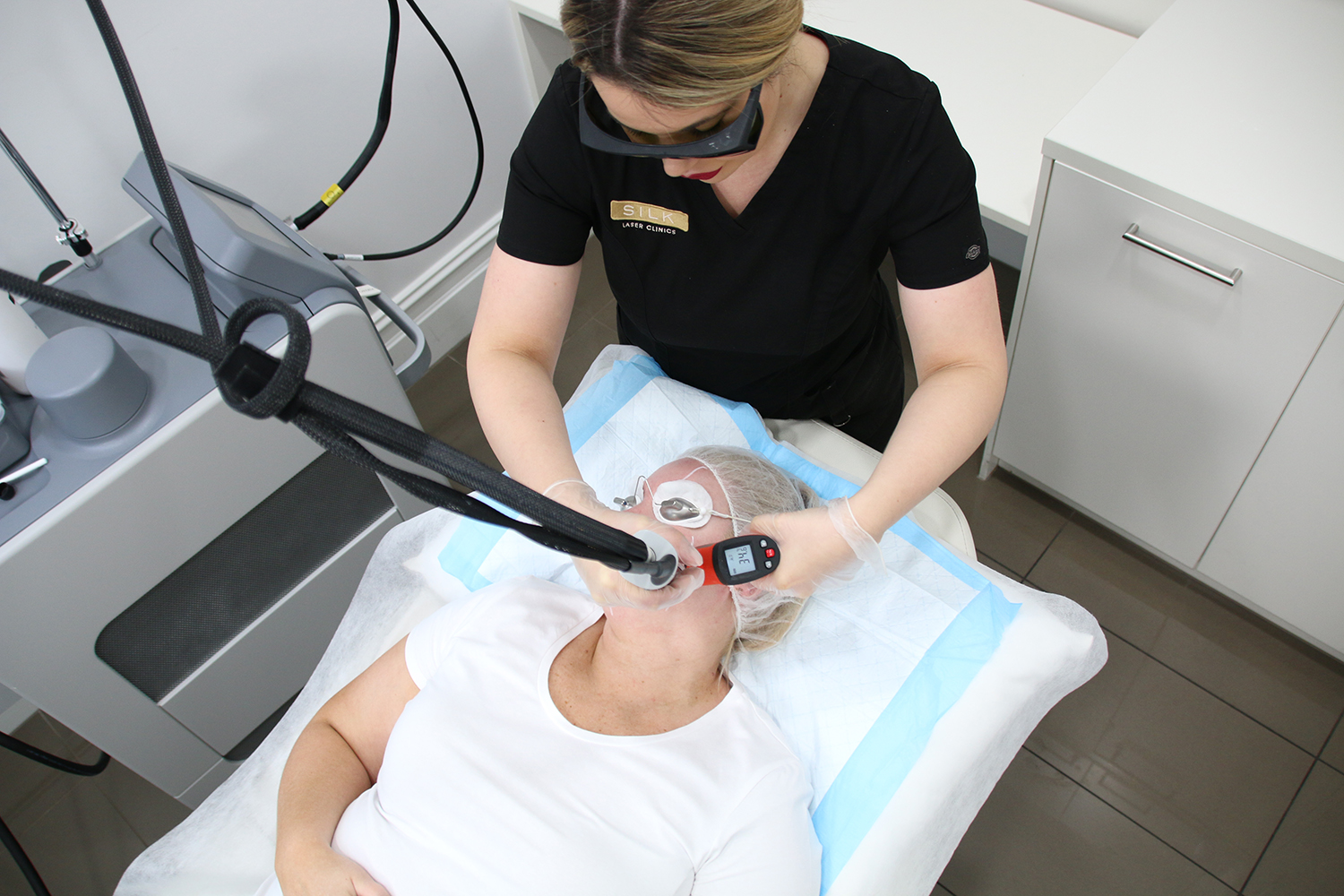
Laser Skin Rejuvenation may be recommended when uneven tone, visible pigmentation, pores or overall skin clarity are key concerns. It’s often used as part of a treatment pathway for skin that looks less even, less fresh or more visibly affected by accumulated skin changes.
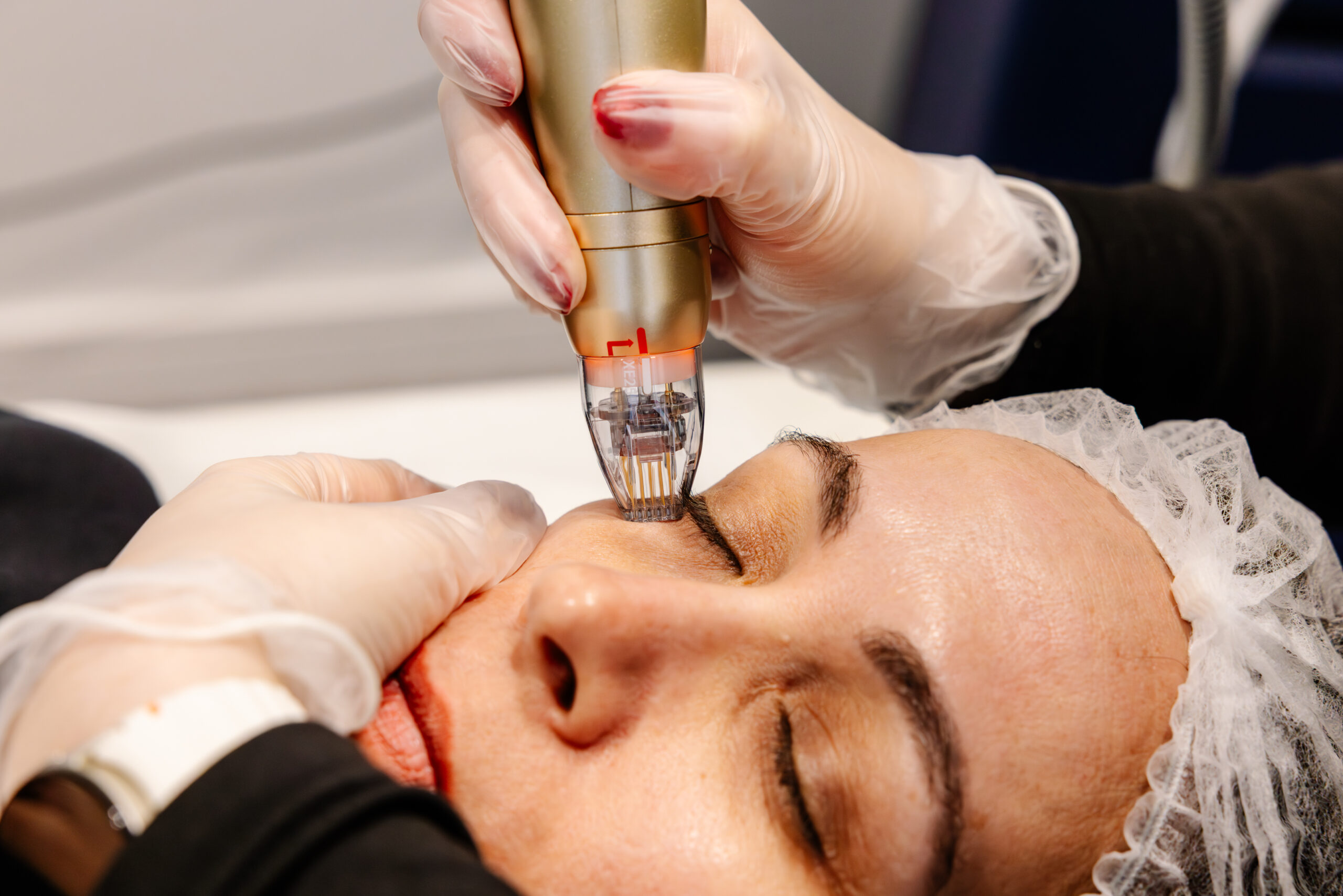
Sylfirm X™ Advanced RF Needling combines microneedling with radiofrequency energy. It may be recommended when texture, visible firmness, redness, pigmentation or overall skin quality are concerns, particularly when several visible changes are happening at once.
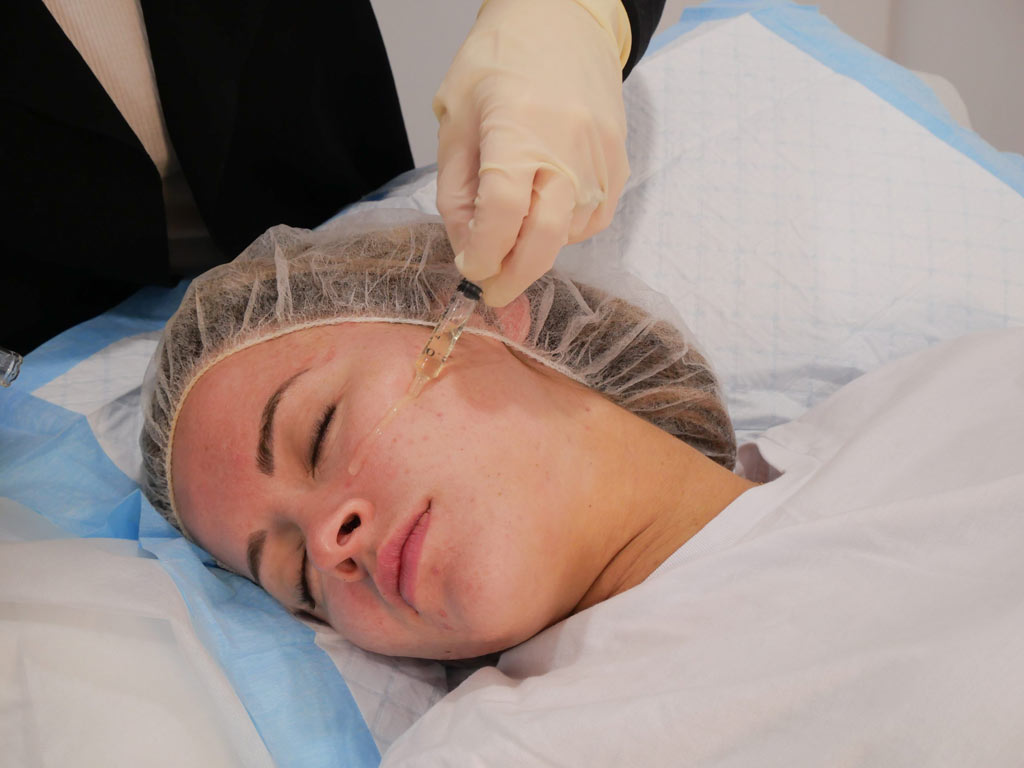
MesoInfus™ combines microneedling with targeted infusion, allowing selected active ingredients to be delivered across the skin in a controlled treatment setting. For skin that looks dull, dehydrated or less smooth, it may form part of a plan focused on hydration, radiance and smoother-looking texture.
For clients looking to bring back some glow, it can be a valuable part of a broader skin-support plan.
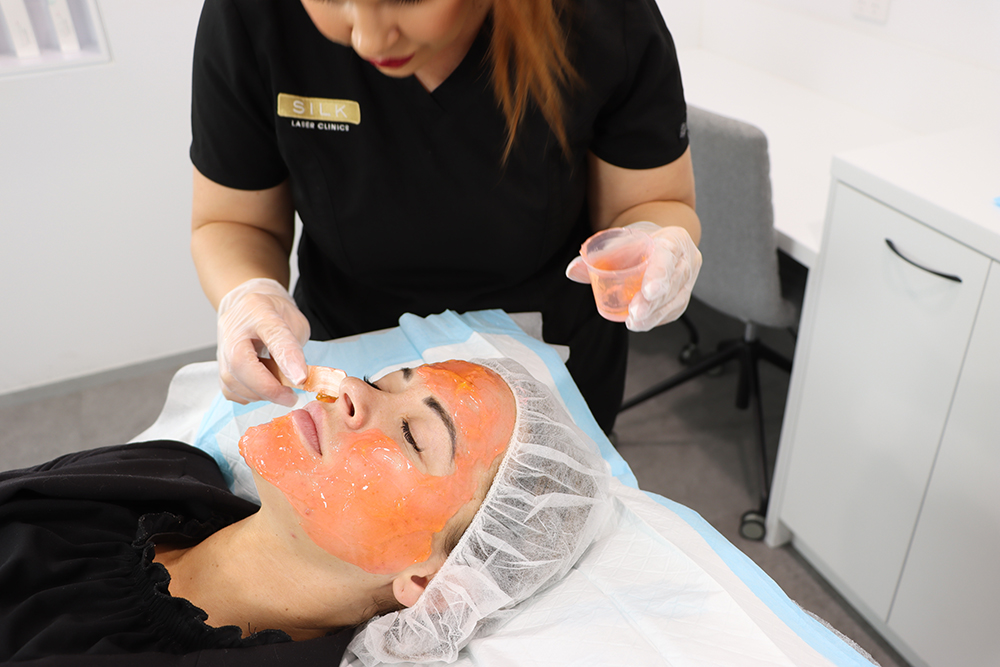
Lumixa™ with LED Light may be considered for clients looking for a gentler treatment option with minimal disruption. It combines a topical gel with LED light and may form part of a plan for skin that looks dull, tired or less comfortable. It can also be recommended alongside other treatments as part of a broader plan.
We often describe it as a gentle confidence boost for skin that’s feeling a little flat, tired or out of balance.
The right option depends on your skin, your goals and what your SILK technician sees during your consultation. Once assessed, your SILK technician will guide you in understanding which treatments suit your skin now, and how they can work together over time.
Because every skin journey is different, treatment plans are designed to be flexible and collaborative. Your technician will explain the options available, expected treatment timelines and associated costs, so you can choose an approach that feels right for your skin goals and budget.
Why Your Homecare Routine Matters More Than Ever
Many women find that the skincare routine that served them well for years starts to feel less effective during perimenopause, and there’s a real reason for that. As barrier function changes, skin renewal slows and tolerance to active ingredients shifts, what once worked may no longer suit the skin you have now. It doesn’t mean starting from scratch. It means reassessing. With the same clarity you’d bring to any other change in your skin, to achieve more targeted results.
Skincare plays an important role in how your skin is prepared, supported and maintained between clinic visits. The right homecare keeps the skin comfortable, hydrated and supported, helps prepare it before appointments and maintains results afterwards, so your treatment plan and daily routine are working in the same direction. Your SILK technician will recommend homecare to complement your in-clinic treatment. This will include products from Aesthetics Rx®, SILK’s premium cosmeceutical skincare range, selected to work alongside your professional treatments.
For skin experiencing visible changes during perimenopause and menopause, your SILK technician may recommend Aesthetics Rx® Biofemage®, a two-product system comprising the Biofemage® Serum and Biofemage® Cream. Designed to sit alongside your existing daily routine, it’s created to support the look and feel of midlife skin in combination with professional treatment.
Because the skin you have now deserves skincare designed for what it’s experiencing now, not what it needed ten years ago.
Supporting skin through perimenopause and menopause is rarely about finding one treatment that does everything. At SILK Laser Clinics, we combine advanced laser and skin rejuvenation technologies with personalised treatment planning and ongoing professional guidance. Our goal is to provide high-quality care with transparent pricing, helping you feel informed and supported as your skin journey evolves over time.
Ready to understand what your skin needs now?
Perimenopause and menopause can change the way your skin looks, feels and behaves, but you don’t have to figure it out on your own.
Whether you’re noticing dryness, pigmentation, sensitivity, loss of firmness or simply feel like your skin isn’t responding the way it used to, we’re here to help.
At SILK Laser Clinics, we combine advanced skin technology, personalised treatment planning and supportive guidance to help you understand what’s happening and feel confident about your next steps.
Book a consultation with your nearest SILK technician and let’s create a plan that’s tailored to your skin, your goals and wherever you are in your journey.
Frequently asked questions
Can perimenopause affect your skin?
Yes. During perimenopause, oestrogen levels can fluctuate, and this can influence the way skin looks, feels and responds. You may notice dryness, dullness, uneven tone, changes in texture, sensitivity, redness, breakouts, or skin that doesn’t feel as firm as it once did.
Why is my skin so dry during menopause?
Skin can feel drier during menopause because lower oestrogen levels can affect how well the skin holds moisture and maintains its surface barrier. This can leave skin feeling tighter, less comfortable, less smooth or harder to keep hydrated throughout the day.
Why does skin suddenly become more sensitive during menopause?
As oestrogen fluctuates and declines, the skin can become thinner, lose hydration more easily and experience changes in barrier function. This can make skin feel more reactive, less resilient and less tolerant of products or environmental stressors that once felt comfortable.
Can menopause cause redness, flushing or breakouts?
Yes. Hormonal changes during perimenopause and menopause can influence oil flow, visible redness and skin sensitivity. Some women notice increased flushing, rosacea-prone redness or breakouts during this stage, even if these concerns weren’t previously a major issue.
Can treatments help menopause skin changes?
Professional treatments can be a valuable part of supporting how skin looks and feels during perimenopause and menopause. At SILK Laser Clinics, treatment options such as Laser Skin Rejuvenation, Sylfirm X™ Advanced RF Needling, MesoInfus™ and Lumixa™ with LED Light can be discussed as part of a personalised consultation.
What role does skincare play during perimenopause?
Skincare plays an important role alongside professional treatment. The right homecare routine can help prepare the skin before treatments, support it afterwards, and maintain how the skin looks and feels between clinic visits. Your SILK Technician will recommend homecare suited to your skin, which may include products from the Aesthetics Rx® Biofemage® range.
About the Author
Julie Lardner is a skin therapist, industry educator and professional writer with more than 25 years’ experience in the professional skincare and aesthetics industry. She has spent her career helping people better understand their skin, professional treatments and skincare options.