






Self-care skincare shows up as the good stuff: a spa day booked for no real reason, a facial before a big weekend, a laser treatment you’ve been meaning to get around to for months. All of it feels genuinely good, and works well as a pick-me-up whenever you need one.
The results last longer once that becomes a habit rather than a once-off. So why not treat yourself all the time? The best version of it works as an ongoing routine, one that folds in the in-clinic side of things as naturally as whatever happens at home.
Winter is a good time to build that habit. With less sun and fewer seasonal distractions, it can be easier to stay consistent and give your skin the attention it needs. The goal is a routine that supports your skin through winter and into spring, not just a one-off appointment.
What Self-Care Actually Means for Your Skin
It gets flattened into a narrow idea fast: a facial before an event, or something nice booked in for a rough week. Both are fine. Neither is the whole story.
Keeping at it beats both. Knowing what your skin does in July compared with January, and adjusting before a small thing turns into a bigger one, does more for it over a season than any single appointment ever could.
The daily half of it won’t feel like a treat, but it’s what holds everything else together.
- Cleanse with something that won’t leave your skin feeling stripped
- Moisturise while skin’s still a little damp, since it holds better that way
- Ease off strong exfoliants when your skin’s already under strain
- Keep wearing SPF, yes, even in July
It’s the quieter side of self-care, and what makes every treatment afterwards count for more. Pair it with a guided skin program, an in-clinic plan that maps a few months of appointments out properly, and the results build on each other instead of starting over every time.
A Routine You Can Actually Keep
A routine only works if it fits real life. Most are built for a slower Sunday version of yourself, then abandoned by the version that gets home late and just wants to sleep. A few simple steps you can stick to most nights will do more than a longer routine you only manage twice a week.
Mornings and evenings do different jobs, and it helps to treat them that way. A morning routine is about protecting the skin for the day ahead, so cleanser, a treatment product if you’re using one, and SPF is usually enough. Evenings can carry a little more, since skin has the whole night to recover rather than heading straight back out into the cold.
It’s also worth changing less than you might think. Swapping everything at once makes it harder to tell what is helping, or what might be causing a reaction. Change one thing, give it a few weeks, then decide what is worth keeping. A well-matched homecare range can support that routine between visits without trying to replace the treatments themselves.
The appointment booked ahead is usually the one that happens, and that’s really what separates the self-care that sticks from the kind you only ever mean to get around to.
Why Winter Is the Season to Reset
Winter suits this kind of care better than most seasons. UV levels are lower, making the recovery period after treatments that leave skin more sun-sensitive easier to manage, and the timing gives you a little more room to work with rather than fighting against the weather outside.
Cold air holds less moisture, and indoor heating dries things out further, so skin loses water faster than it does through summer. Circulation also slows slightly in lower temperatures, which can leave skin looking a touch duller than it would in the warmer weather.
There’s often more time at home too, which can make the daily side of a routine easier to maintain. It’s a good season to start something and see it through, particularly when results build over several sessions. Starting earlier gives a treatment course time to run its full course before the weather changes again.
A change of season is also a natural point to take stock, much like sorting through a wardrobe when the weather turns. Working out what your skin is asking for gives you a sensible place to start, and gives whatever routine follows something real to build on.
Start With What You’re Noticing
This is where self-care earns its keep. Noticing what has changed is often half the job, and winter tends to bring a few things into focus that are easier to miss at other times of the year.
When Skin Feels Tight and Dull
This is often the first thing to show up: skin that feels tight after cleansing, or makeup that no longer sits the way it used to. A moisturiser that worked perfectly well through autumn can suddenly feel like it isn’t doing enough.
It’s less about having a different skin type and more about recognising what your skin needs now. Tightness and dullness can be a sign that it needs a proper reset rather than another layer of product, with the right treatment helping to clear away what has built up rather than simply adding more on top.
When Tone Looks Uneven
Unevenness can become more noticeable over winter, whether it’s the result of summer sun or new patches appearing as your tan fades. Catching it early can make a difference, as pigmentation tends to respond better to an ongoing plan than a single visit, with daily SPF helping to support that work between appointments.
Taking a closer look at treatments for pigmentation is more useful than trying to work it out in the mirror. Redness that flares with heat or hot showers deserves the same attention, rather than reaching for a stronger product and hoping it settles on its own.
When Texture Feels Rough
Texture often gets less attention than dryness in winter, but rough patches and more noticeable pores can build up just as steadily. Skin can shed more slowly in colder weather, leaving more sitting on the surface and making it harder to get that smooth, fresh feel.
Scrubbing at it yourself rarely solves the problem and can leave skin feeling sore instead. Properly lifting away that build-up, rather than repeatedly pushing it around with a scrub, can give your skin the reset it needs.
Self-Care Skincare Treatments Worth Booking
Once you know what has changed, the treatment itself becomes a little easier to work out. Different concerns call for different approaches, and the right one should address what your skin is actually doing rather than adding more to your routine for the sake of it.

Reset and hydration: When skin looks dull and feels dehydrated, a HydraFacial cleanses, lifts away the dull surface layer and replenishes hydration in a single session, with no downtime afterwards. Most people notice a difference before they’ve even left the clinic, making it an easy option when your skin needs a quick reset.

Smoothing and resurfacing: For rough texture, microdermabrasion works across the skin with a fine tip in around half an hour. At the same time, dermaplaning removes the dead surface layer and fine facial hair, helping makeup and skincare sit more smoothly afterwards. Both suit skin that needs a visible improvement in texture without committing to a longer treatment course.
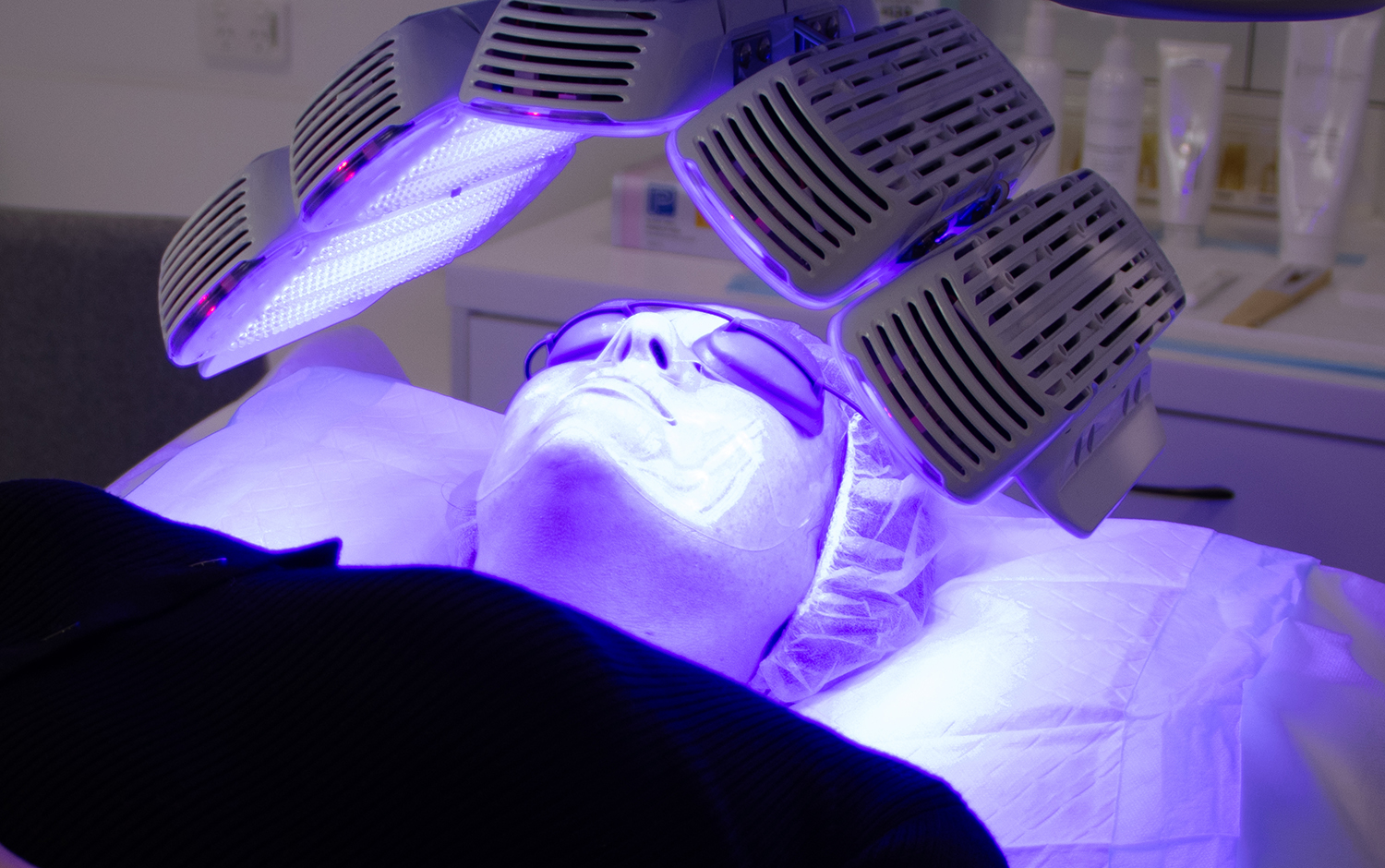
Calming and restorative: LED light therapy is the gentlest option, using calibrated light for around 20 minutes with no downtime afterwards. It suits skin that feels reactive or simply looks tired, rather than targeting one specific concern, and is gentle enough to become a regular part of your routine.
Why the Clinician Matters as Much as the Treatment
The treatment you pick first matters less than who’s looking at your skin, and whether they’re willing to give you the honest answer, even if that means doing less, waiting or holding off for now.
Every treatment at SILK starts with a proper consultation rather than a set menu. Practitioners are clinician-led so what gets recommended, whether that’s a treatment every six to eight weeks or just the daily basics kept up between visits, comes from what your skin needs rather than a fixed list of options.
That kind of assessment gives you a clearer idea of what is worth doing and what can wait. With clinics across Australia working to the same standards, the same approach follows you wherever you happen to be, which matters when a winter reset becomes something you want to keep up.
Keeping It Going Past Winter
None of this has to wait for a special occasion. Self-care skincare can be just as worthwhile as part of a regular habit as a one-off treat, whether that’s a spa day, facial, or laser treatment. The benefits tend to build when you keep showing up for your skin.
A winter reset doesn’t need a dramatic before-and-after. What lasts is consistency, so your skin can feel much the same in September as it did in June. The care keeps happening rather than catching up all at once.
If you’re not sure what that looks like for your skin, booking a proper consultation is a good place to start. Someone qualified can look at what has changed and talk through what is worth doing. From there, you can decide what feels right for you.
FAQs
Tightness after cleansing, dullness, uneven tone and rough texture can all be signs that your skin needs some extra attention. Winter can make these changes more noticeable, so it can be a useful time to reassess what your skin needs.
Should I change my skincare routine when winter starts?
Your routine may only need a few small changes rather than a complete overhaul. Introducing one change at a time makes it easier to see what is helping and avoid overwhelming your skin.
How can I look after my skin between professional treatments?
The daily side of your routine plays an important role between appointments. Consistent home care and daily SPF can help support your skin and maintain the progress made during treatments.
How often should I use professional skin treatments?
No set schedule works for everyone. Some treatments suit regular maintenance, while others are better spaced out or completed as a course depending on your skin and what you are trying to achieve.
Can I have professional treatments if my skin is reactive?
Some treatments are gentle enough for reactive skin, but the right approach depends on the cause of the sensitivity. A proper assessment can help determine what your skin can tolerate and what to avoid.